NewHurt this week? Book a free 20-minute injury screen.See complimentary screens

Just hurt? Start here (919) 555-0100

ACL Rehabilitation

Criteria-based ACL rehab, from the first days after injury to a tested return to sport.

Cost
From $195
Typical plan
60-minute evaluation, then 55-minute visits 1–2 times a week; usually 9 months or more before return to cutting and pivoting sports
Insurance
Most health plans cover physical therapy after ACL injury and reconstruction, though some cap the number of visits per year.
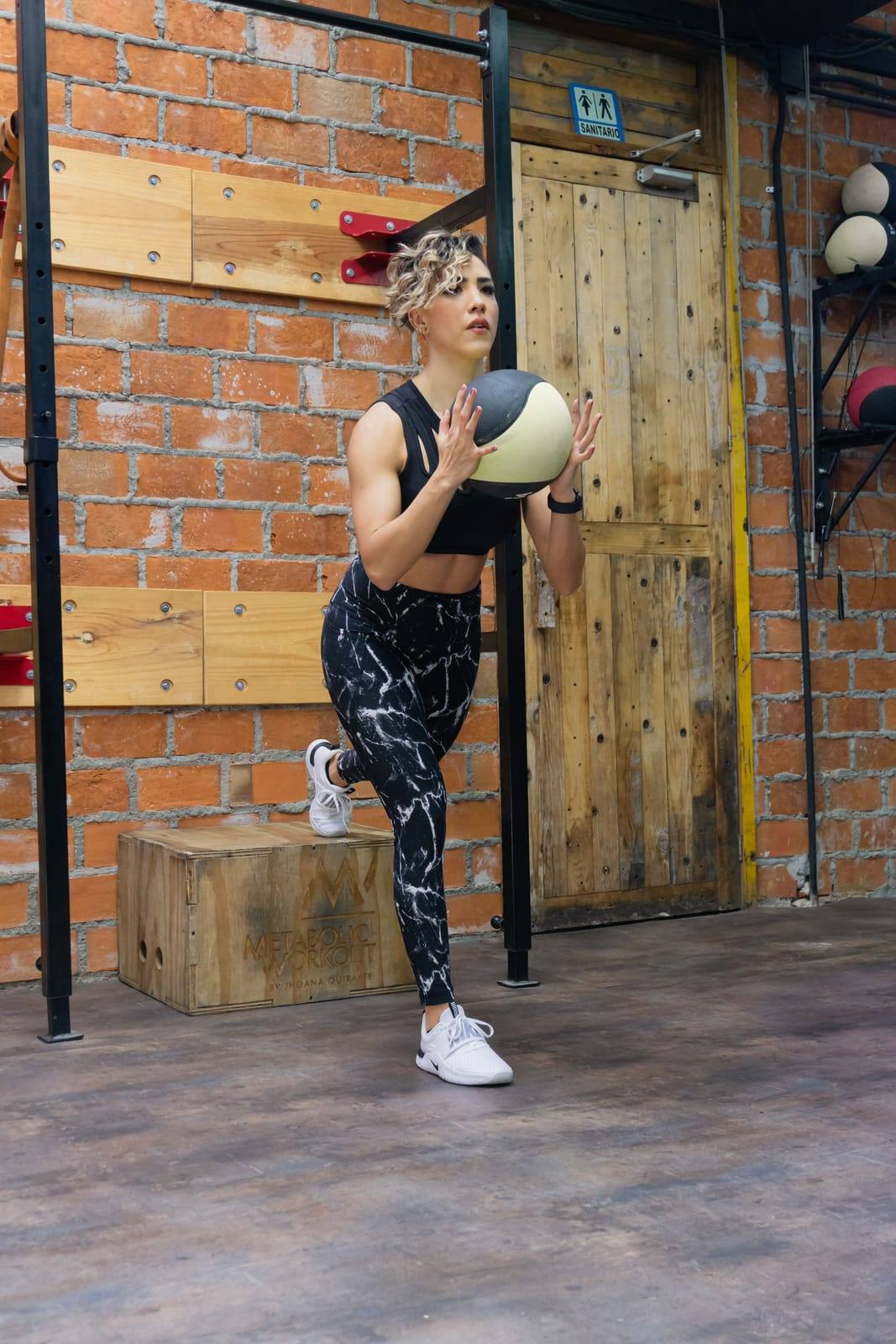
A woman steps up onto a wooden box on one leg while holding a medicine ball, in a gym with a brick wall.

Rehabilitation after ACL injury or reconstruction, progressed by milestones rather than the calendar, with strength and hop testing before return to sport.

An ACL tear is one of the most significant injuries an athlete can face, and the rehab that follows is long. Whether you’ve had reconstruction or are working through a non-surgical path, the quality of your rehabilitation strongly influences how your knee functions and your risk of a second injury.

Milestones, not the calendar

Older approaches often cleared athletes to return to sport around six months after surgery. We now know that is often too early. Research suggests that returning to cutting and pivoting sports before about nine months, or before strength and movement targets are met, is linked with a higher risk of reinjury. So our program is criteria-based: you move to the next phase when you meet clear targets, not because a date has arrived.

Typical phases include settling swelling and restoring full knee extension, regaining quadriceps activation and a normal walking pattern, building strength and balance, starting a progressive running program (often around three to four months after surgery, once criteria are met), then agility, jumping and landing work, and finally sport-specific training. Before you return to full play, we test quadriceps and hamstring strength, hop performance and movement quality, and we ask how ready you feel, because that matters too.

How ACL rehab works at Cardinal

Your evaluation is a 60-minute visit with a Doctor of Physical Therapy. If you haven’t had surgery yet, we can start prehab: going into reconstruction with less swelling, full motion and better quadriceps strength is associated with a smoother early recovery. After surgery, we follow your surgeon’s protocol, which varies with the graft type and any meniscus repair, and we keep your surgeon updated.

Every follow-up is a full 55 minutes with your therapist. In later phases, some athletes also train with our athletic trainer, coordinated with the therapist’s plan. As you approach return, our return to sport and performance program bridges the gap between rehab and full training. You’ll have a written phase plan showing the criteria for each step, so you, your surgeon and your coach can always see where you stand.

What to expect

Plan on nine months or more before returning to cutting and pivoting sports, and six months or more before most other sports. Visits are typically one to two a week early on and less often later, alongside a substantial home and gym program. Expect the middle months to test your patience: the knee often feels normal well before the graft and muscles are ready for sport, which is exactly when structured testing earns its place. Some people with an ACL tear, particularly those who don’t play pivoting sports, do well without reconstruction after structured rehab; that is a decision to make with your surgeon, and we’re glad to help you think it through.

ACL rehab is available at all four Cardinal clinics in Raleigh, Durham and Cary. Book an ACL evaluation, before or after surgery.
Why patients choose Cardinal for acl rehabilitation

  • Criteria-based progression

    You advance when you meet strength and movement targets, which is safer than going by the calendar alone.

  • Objective return-to-sport testing

    Strength, hop and movement testing before you are cleared to return to full play.

  • Prehab before surgery

    Restoring motion and strength before reconstruction is associated with a smoother early recovery.

  • Connected to your surgeon

    We follow your surgeon’s protocol for your graft and any meniscus repair, and send regular updates.

  • Rehab that becomes training

    Late-phase work bridges into speed, agility and conditioning for your sport.

What to expect, step by step

Typical plan: 60-minute evaluation, then 55-minute visits 1–2 times a week; usually 9 months or more before return to cutting and pivoting sports

  1. 01

    Prehab or early post-op evaluation

    A 60-minute visit to assess swelling, motion, strength and walking, and to review your surgeon’s protocol.

  2. 02

    Restore extension and quadriceps

    Full knee straightening, quadriceps activation, a normal walking pattern and swelling control.

  3. 03

    Build strength and balance

    Progressive strength and single-leg control, measured regularly.

  4. 04

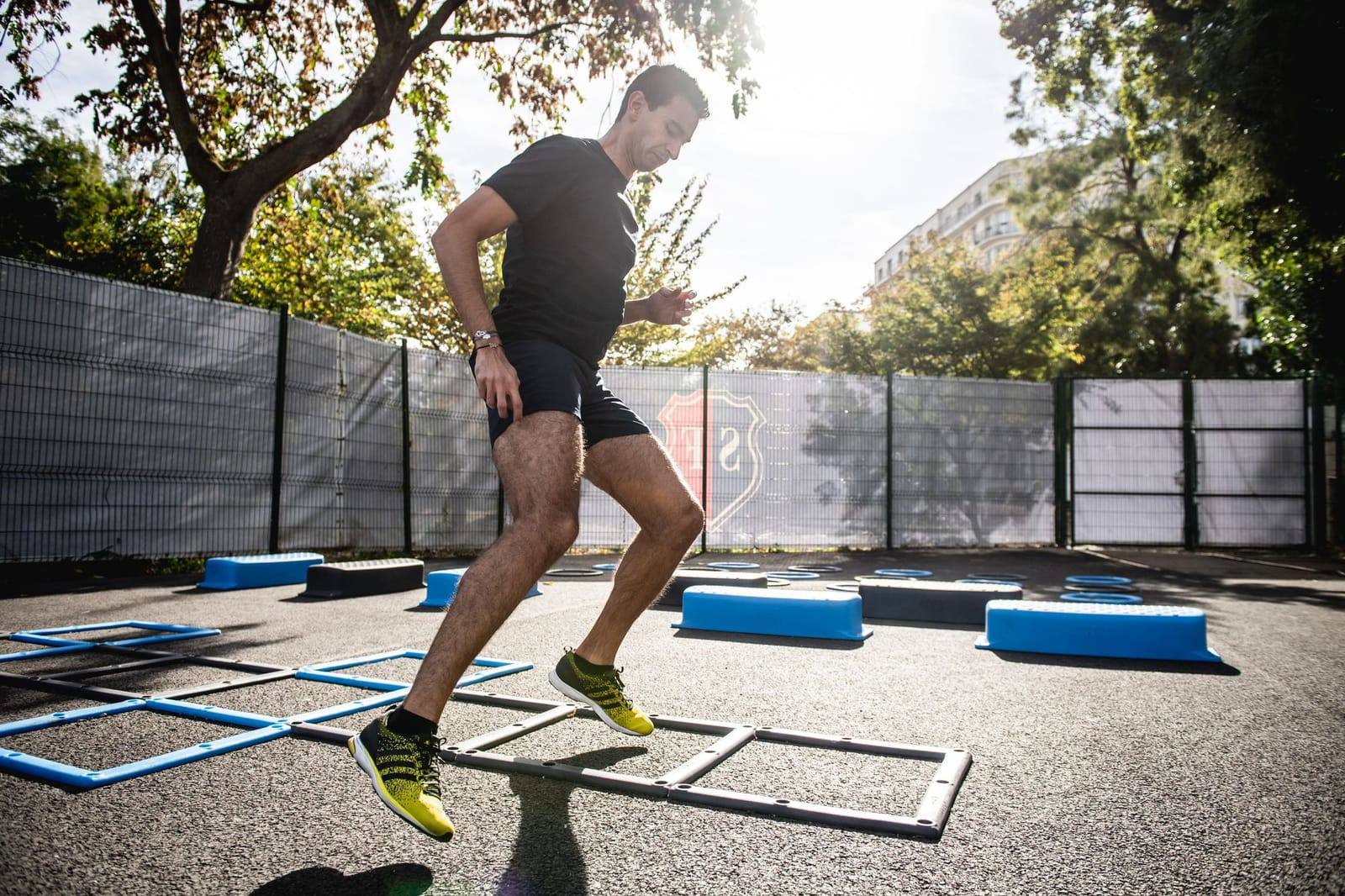
    Running, jumping and agility

    Introduced as you meet criteria, typically from around three to four months onward.

  5. 05

    Return-to-sport testing

    Strength, hop and movement testing plus a readiness check before full play, often at nine months or later.

It may be a good fit if…

  • Athletes with a recent ACL tear, before or after reconstruction
  • Anyone recovering from ACL reconstruction with any graft type
  • Patients who had a meniscus repair at the same time
  • People exploring non-surgical management with their surgeon
  • Athletes months out from surgery who never finished rehab or don’t feel ready to return

Between visits

  • Prioritize full knee extension early; your therapist will show you how.
  • Keep swelling down with elevation, compression and ice in the first weeks.
  • Do your strength work consistently; quadriceps strength is one of the best markers of a good outcome.
  • Don’t skip phases, even if the knee feels good. Graft healing takes time.
  • After you return, keep an injury-prevention warm-up and strength program going for at least the next season.

Therapists who focus on acl rehabilitation

What patients say

Google

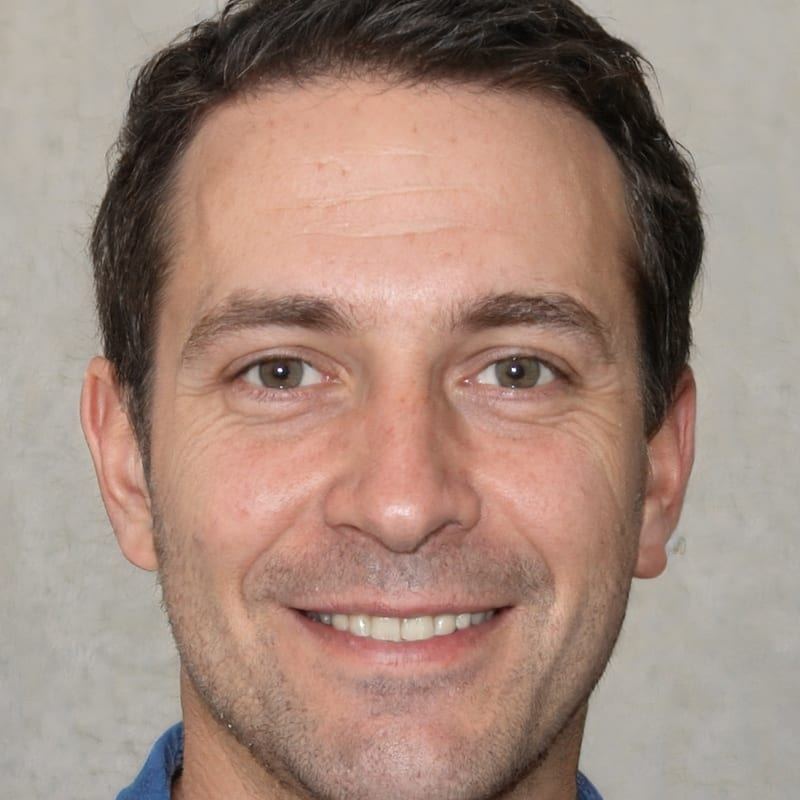
My daughter tore her ACL playing club soccer, and Dr. Alvarez has been with her from before surgery through every stage since. He explains each step to her directly, keeps me in the loop, and coordinates with her coach. She is back to full practice, and the testing at the end gave all of us real peace of mind.

Emily R.Cary ·
Google

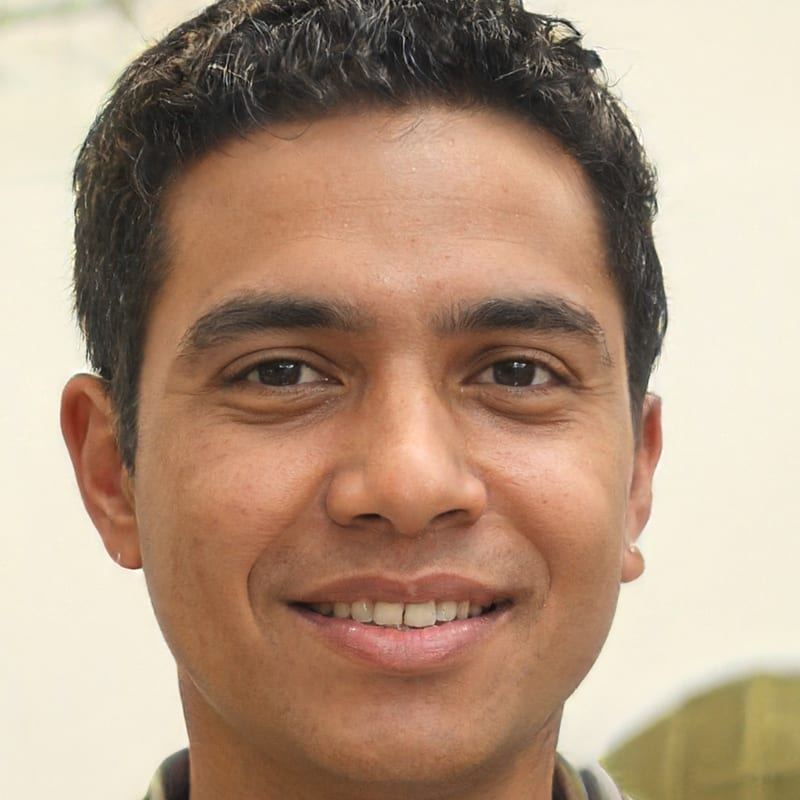
Dr. Bell took me from the week after my ACL reconstruction all the way back to rec league soccer. He never rushed a phase, and he made me pass strength and hop tests before I was cleared to cut and sprint. Nine months in, my knee feels solid and I actually trust it.

Tyler B.North Hills ·

Clear ways to pay

  • Superbills for out-of-network plans

    Not in-network? Pay at the visit and we’ll give you an itemized superbill with the codes your plan needs to reimburse you.

  • HSA & FSA

    Physical therapy is an eligible medical expense. Use your health savings or flexible spending card at any clinic.

  • Cardinal Membership

    After discharge, a flat monthly plan keeps you seeing your therapist, from $129 a month.

  • Self-pay pricing

    Posted prices with no surprises: evaluation from $195 and follow-up visits from $175, paid at each visit.

ACL Rehab questions

Have a question we didn’t cover? Send us a note and a member of our clinical team will get back to you.

How long after ACL surgery can I return to sport?

For cutting and pivoting sports like soccer, basketball and lacrosse, current evidence supports waiting at least nine months and passing strength and movement tests. Other sports may be sooner. Your surgeon and therapist decide together based on your criteria, not just the date.

When can I start running after ACL reconstruction?

Often around three to four months, once you have full knee extension, little to no swelling, good quadriceps strength and can hop comfortably. Some procedures, such as a meniscus repair, can delay this.

Do I need surgery for a torn ACL?

Not always. Some people, particularly those who don’t play pivoting sports, function well after structured rehab without reconstruction. Others have repeated episodes of the knee giving way and benefit from surgery. It’s a decision to make with an orthopedic surgeon, and we can help you prepare for that conversation.

What is ACL prehab?

It’s physical therapy before reconstruction to reduce swelling, restore motion and build quadriceps strength. Patients who go into surgery with a calm, mobile, strong knee often have an easier early recovery.

How can I lower my risk of another ACL injury?

Completing rehab, meeting return-to-sport criteria, waiting long enough before cutting sports, and continuing a neuromuscular warm-up program all help. The risk never goes to zero, but these steps make a real difference.

Ready when you are.

Book online in about a minute. Pick your clinic and a time, and we’ll check your insurance before your first visit.