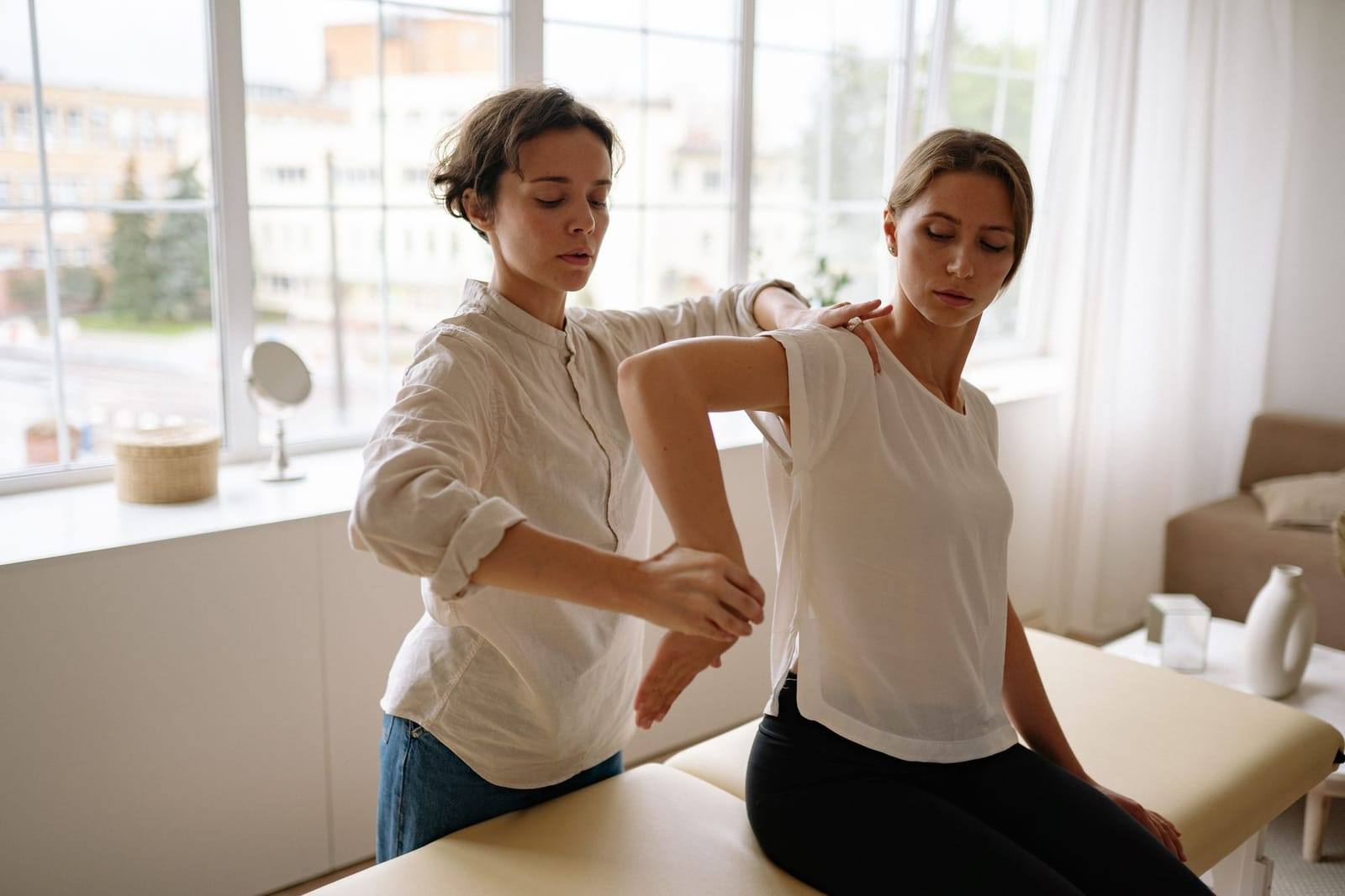
One-on-one care for rotator cuff problems, impingement, frozen shoulder, instability and shoulder pain from lifting, swimming, golf or tennis.
The shoulder is the most mobile joint in the body, and that freedom comes at a price: it depends on muscles, tendons and good coordination to stay comfortable and stable. When something goes wrong, simple things like reaching into a cabinet, fastening a seatbelt or sleeping on your side become hard work. The good news is that most shoulder problems respond well to a well-designed, progressive rehab plan.
Conditions we treat
We regularly see rotator cuff tendinopathy and partial tears, subacromial pain (often called impingement), frozen shoulder (adhesive capsulitis), shoulder instability and dislocations, labral injuries, AC joint sprains, and shoulder pain in overhead athletes such as swimmers, pitchers, tennis players and climbers. We also see shoulder pain that starts in the neck, which is why we always check both. For recovery after shoulder surgery or replacement, see post-surgical rehabilitation.
How shoulder rehab works at Cardinal
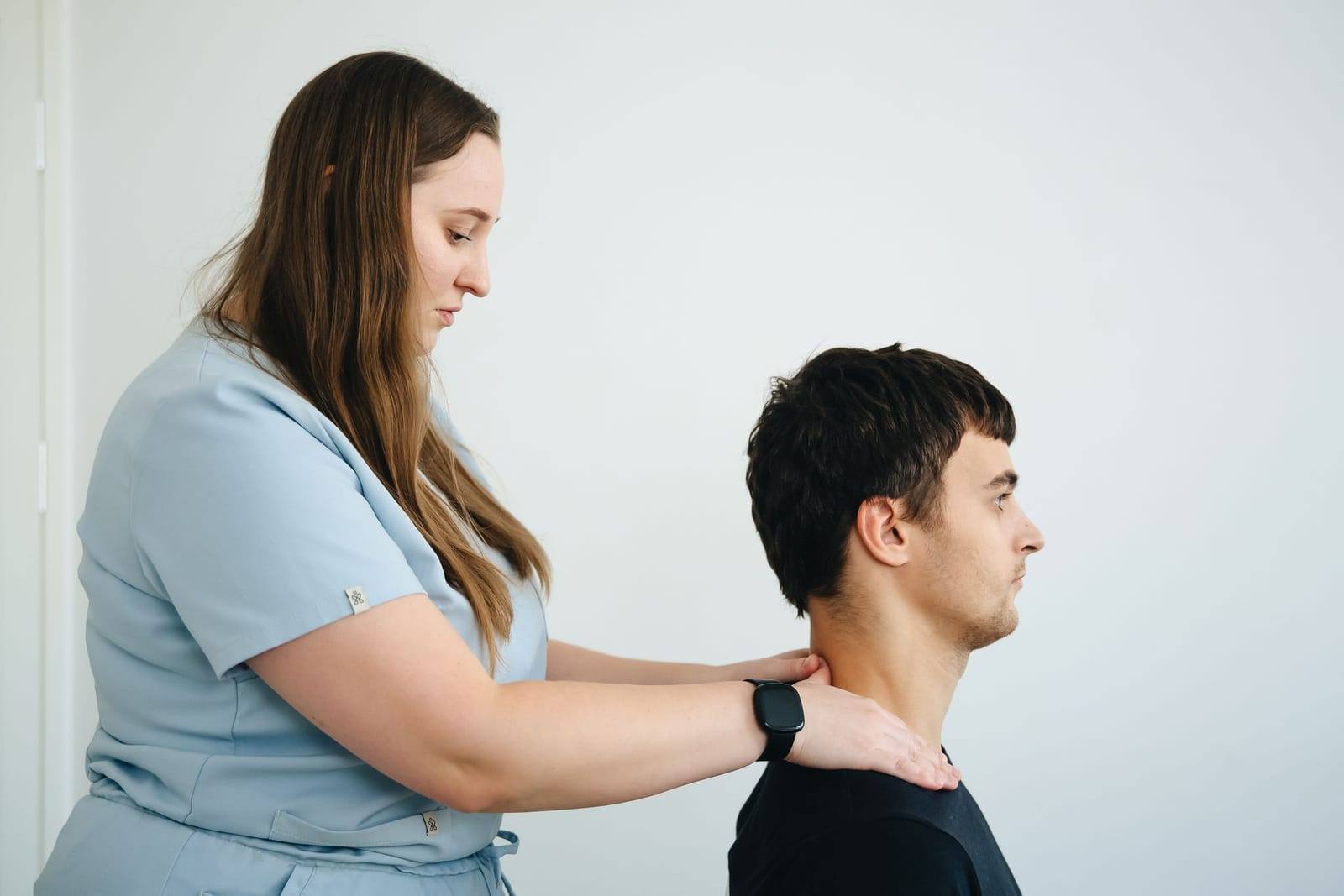
Your 60-minute evaluation with a Doctor of Physical Therapy includes your history, a neck screen, range of motion, strength testing of the rotator cuff and shoulder blade muscles, and specific tests that help pinpoint where the pain is coming from. We’ll tell you what we think is going on, how sure we are, and whether anything suggests you should see an orthopedic physician, such as a suspected full-thickness tear after a fall, marked weakness, or a shoulder that keeps dislocating.
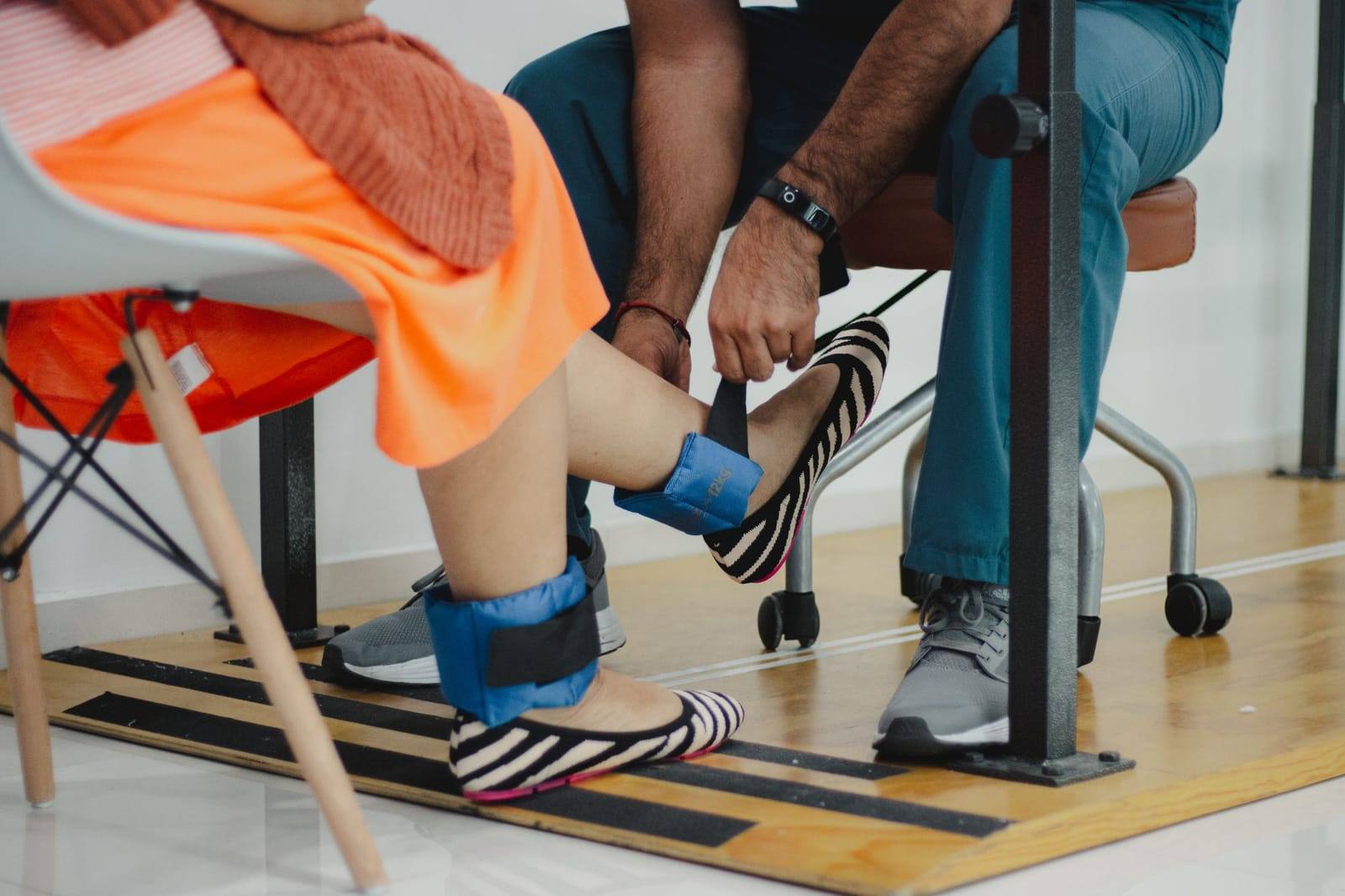
Treatment is progressive. Early visits focus on calming pain and restoring motion with hands-on techniques and carefully chosen exercise. Then we load the tendons and muscles gradually, because tendons adapt over weeks and months, not days. As you improve, we add the overhead strength, speed and control your work or sport needs. Each 55-minute follow-up is spent with your therapist, never split between patients.
Between visits you’ll have a short home program, usually three or four exercises with bands or light weights that take 15 to 20 minutes. We review it every visit and change it as you get stronger, so it never turns into a list you’ve stopped believing in.
Honest expectations
Rotator cuff and impingement-type pain often improves noticeably within four to six weeks, and most plans run eight to twelve visits over two to three months. Frozen shoulder is different: it can take many months to resolve whatever treatment you choose, and our job is to keep you moving and as comfortable as possible while it runs its course. Instability and labral injuries vary, and some will need a surgical opinion.
For many rotator cuff tears that develop gradually rather than from a fall, especially in adults over 50, a structured exercise program helps most people avoid surgery. That doesn’t mean surgery is never right, and we’ll help you weigh it with your surgeon. North Carolina doesn’t require a referral for physical therapy, so you can book a shoulder evaluation directly in Raleigh, Durham or Cary.