NewHurt this week? Book a free 20-minute injury screen.See complimentary screens

Just hurt? Start here (919) 555-0100

Knee & Hip Pain

Walk, climb and move with less pain, with a plan built around your knees and hips.

Cost
From $195
Typical plan
60-minute evaluation, then 55-minute visits; most plans run 6–10 visits over 6–10 weeks
Insurance
Most health plans, including Medicare, cover physical therapy for knee and hip conditions when it is medically necessary, subject to your deductible and copay.
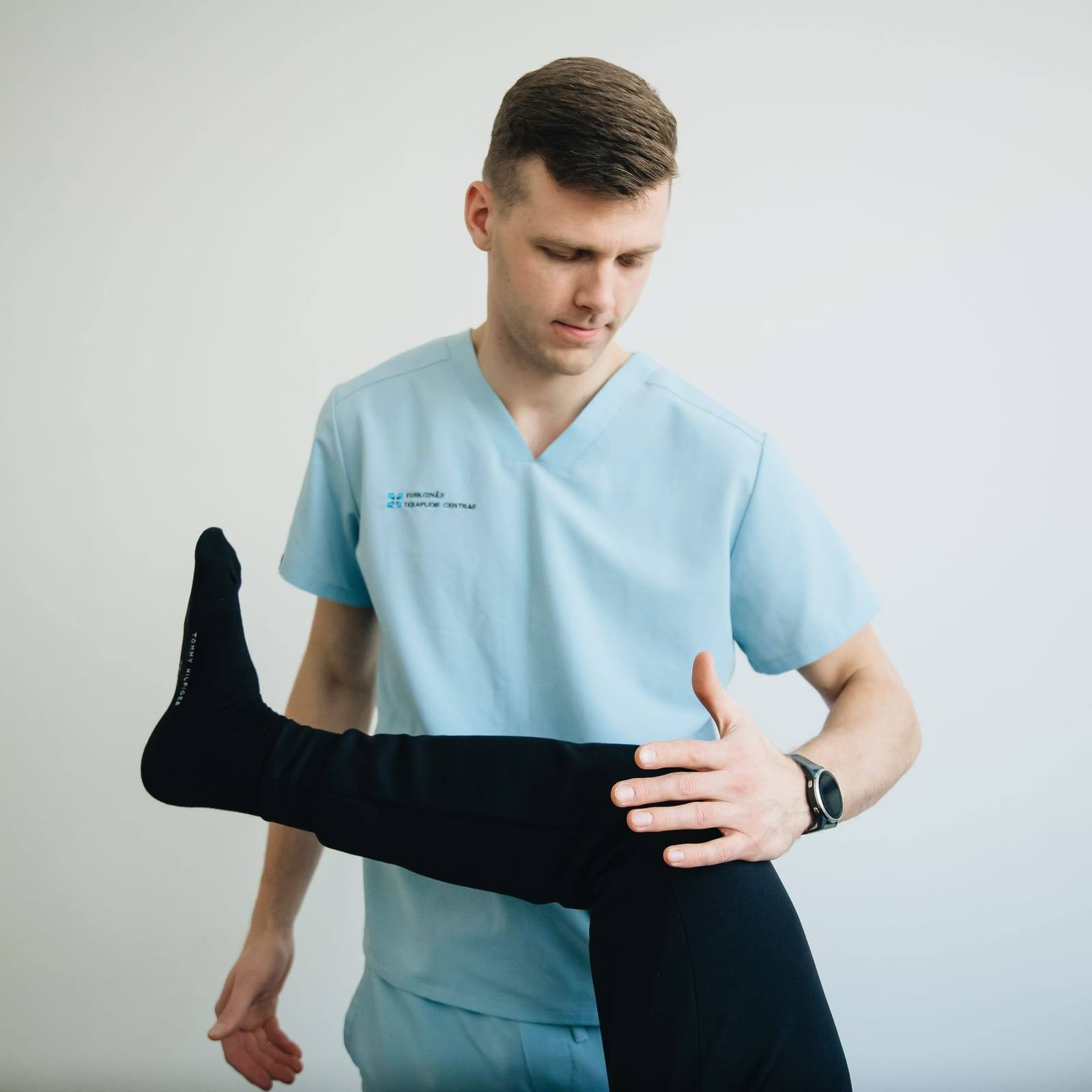
A physical therapist in light blue scrubs holds a patient's bent knee while assessing the joint.

Care for knee and hip pain, including arthritis, kneecap pain, tendon pain, IT band and outer hip pain, with targeted strength work and a clear plan.

Knee and hip pain changes how you move through the day. Stairs, getting out of the car, long walks and squatting to pick something up all become things you plan around. Whether the cause is arthritis, an overuse injury or something that started with a new training block, physical therapy is a first-line treatment for most knee and hip problems, and exercise is recommended in major guidelines for both knee and hip osteoarthritis.

What we treat

Common reasons people see us include knee and hip osteoarthritis, pain around the kneecap (patellofemoral pain), patellar and quadriceps tendinopathy, IT band pain, meniscus irritation, pain on the outside of the hip (gluteal tendinopathy, often called bursitis), groin and hip flexor strains, hip impingement (FAI) and labral irritation, and knee or hip pain that has changed how you walk. For running-related problems, our running injury and gait analysis adds treadmill video analysis.

How your plan works

Your first visit is a 60-minute evaluation with a Doctor of Physical Therapy. We look at how you walk, squat, step and balance, measure strength in the hips, thighs and calves, and examine the joint itself. Knee and hip pain often involves more than one area, so we look above and below the sore spot. You’ll leave with a clear explanation, a written plan and your first exercises.

Treatment centers on progressive strengthening, because stronger muscles around the hip and knee reduce pain and improve function for most of these conditions. We add hands-on techniques to ease stiffness, help you adjust how much and how fast you load the joint (stairs, walks, runs and lifts), and teach you how to tell useful soreness from a flare. Each 55-minute follow-up is with the same therapist.

Your home program is short and specific: usually three to five exercises that take 15 to 20 minutes, with clear guidance on how hard each one should feel. As you improve, we add load, change the exercises and shift more of the work to your own gym or home setup.

Honest expectations

Most people notice improvement within four to six weeks of consistent work, and most plans run six to ten visits over six to ten weeks. Tendons and arthritic joints respond over months, so the work you keep doing after discharge matters. Physical therapy doesn’t reverse arthritis on an X-ray, but many people with arthritis walk farther, climb stairs more easily and have less pain after a structured program.

If your knee locks, gives way repeatedly, swelled quickly after an injury, or isn’t improving, we’ll coordinate with an orthopedic physician. Some people eventually choose a joint replacement, and those who are stronger going into surgery often recover more smoothly; see joint replacement rehab. You don’t need a referral to start: book an evaluation in Raleigh, Durham or Cary.


Why patients choose Cardinal for knee & hip pain

  • First-line care for arthritis

    Exercise therapy is recommended in major guidelines for knee and hip osteoarthritis, and it helps at any age.

  • We look above and below

    Hip strength, ankle mobility and how you move all affect the knee, so we assess them together.

  • Load you can trust

    You learn how to adjust stairs, walks, runs and lifts so you keep moving while symptoms settle.

  • Stronger before surgery

    If you are heading toward a replacement, prehab can make the recovery smoother.

  • One therapist, full hour

    The same Doctor of Physical Therapy every visit, with time to coach each exercise properly.

What to expect, step by step

Typical plan: 60-minute evaluation, then 55-minute visits; most plans run 6–10 visits over 6–10 weeks

  1. 01

    Evaluation (60 minutes)

    Gait, squat, step-down and balance testing, strength measures and a joint exam, explained in plain language.

  2. 02

    Settle the pain

    Short-term load changes, hands-on care and exercises you can do without flaring symptoms.

  3. 03

    Build strength

    Progressive hip, thigh and calf strengthening, reviewed and adjusted every visit.

  4. 04

    Back to what you enjoy

    Stairs, hikes, runs, court sports or gardening, rebuilt step by step.

  5. 05

    Long-term program

    A plan you can keep doing at home or at the gym after discharge.

It may be a good fit if…

  • Knee or hip osteoarthritis that limits walking, stairs or exercise
  • Pain around or behind the kneecap with squats, stairs or long sitting
  • Pain on the outside of the hip, especially when lying on that side
  • Tendon pain below the kneecap or at the front of the hip
  • Groin or hip pain with sport, or a diagnosis of hip impingement
  • Knee pain from a meniscus irritation that doesn’t need surgery

Between visits

  • Some discomfort during exercise is fine if it eases within 24 hours and doesn’t build week to week.
  • Treat stairs and walks as training: steady, regular amounts rather than big weekend efforts.
  • Ice or heat can ease symptoms in the short term; use whichever feels better.
  • Keep strength work going two to three times a week after discharge to hold your gains.
  • Comfortable, supportive shoes help many people with knee pain; you don’t need anything special.

Therapists who focus on knee & hip pain

What patients say

Google

I had nagging outer hip pain while training for a half marathon on the American Tobacco Trail. Dr. Grant found weak spots I had no idea about and adjusted my training instead of telling me to stop. The pain settled within a few weeks and I finished the race comfortably.

Meera P.Durham ·

Clear ways to pay

  • Superbills for out-of-network plans

    Not in-network? Pay at the visit and we’ll give you an itemized superbill with the codes your plan needs to reimburse you.

  • HSA & FSA

    Physical therapy is an eligible medical expense. Use your health savings or flexible spending card at any clinic.

  • Cardinal Membership

    After discharge, a flat monthly plan keeps you seeing your therapist, from $129 a month.

  • Self-pay pricing

    Posted prices with no surprises: evaluation from $195 and follow-up visits from $175, paid at each visit.

Knee & Hip questions

Have a question we didn’t cover? Send us a note and a member of our clinical team will get back to you.

Can physical therapy help knee arthritis?

Yes, for most people. Strengthening and activity guidance are recommended first-line treatments for knee osteoarthritis and can reduce pain and improve function. They don’t change the X-ray, but they often change how far you can walk and how you feel on stairs.

Is it OK to exercise if my knee hurts?

Usually, yes. Mild pain during exercise that settles within a day is generally acceptable for most knee conditions. Sharp pain, swelling that keeps building, or a knee that gives way are signs to back off and check in with us.

What causes pain on the outside of my hip?

Most often it’s an irritated gluteal tendon where it attaches to the hip bone, sometimes with bursa irritation. It usually responds to specific strengthening and changes to how you sleep, sit and stand, over several weeks to a few months.

Do I need an MRI for knee pain?

Not usually at first. A careful exam tells us a lot, and many MRI findings, like meniscus wear, are common in people without pain. We’ll refer you for imaging or to a physician if your knee locks, gives way, swelled quickly after an injury, or isn’t improving.

Can physical therapy delay a knee or hip replacement?

For some people, yes. Better strength and movement can reduce pain enough to postpone surgery, sometimes for years. If you do choose a replacement, stronger patients often recover more smoothly.

Ready when you are.

Book online in about a minute. Pick your clinic and a time, and we’ll check your insurance before your first visit.