NewHurt this week? Book a free 20-minute injury screen.See complimentary screens

Just hurt? Start here (919) 555-0100

Post-Surgical Rehabilitation

A steady, protocol-guided recovery after orthopedic surgery, with one therapist from start to finish.

Cost
From $195
Typical plan
60-minute evaluation, then 55-minute visits 1–3 times a week; typically 6 weeks to 6 months depending on the surgery
Insurance
Physical therapy after surgery is covered by most health plans, including Medicare, when it is medically necessary, subject to your deductible and copay.
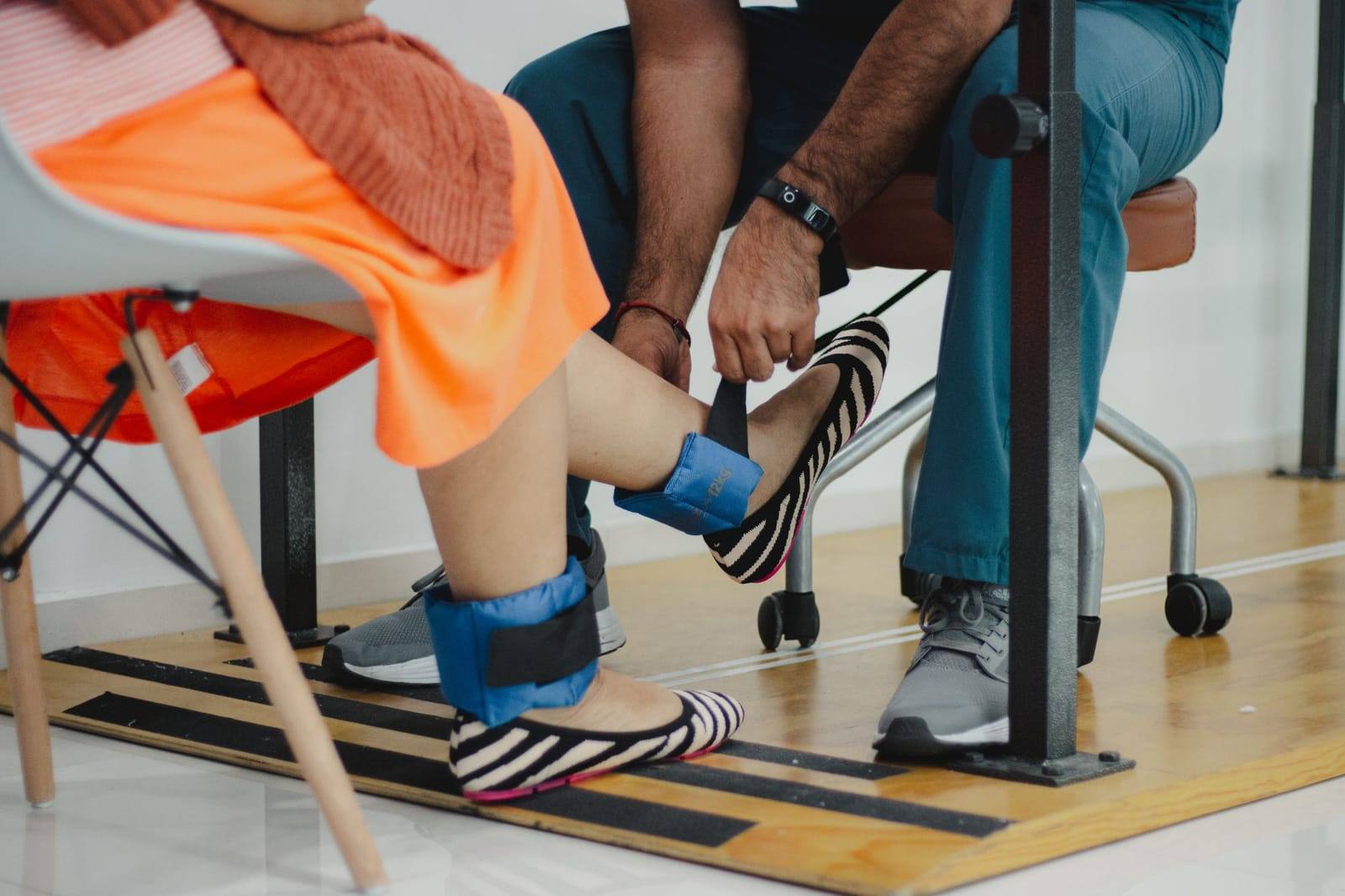
A therapist adjusts a weighted ankle cuff on a seated patient's foot, with the patient's shoes on a taped line on a gym floor.

Rehab after shoulder, knee, hip, spine, foot and ankle surgery, coordinated with your surgeon’s protocol and progressed one-on-one at every visit.

Surgery repairs the structure. Rehabilitation restores the function. The weeks after an operation shape how well you move for years, and they go best with a plan that respects healing tissue while steadily rebuilding motion and strength.

Surgeries we rehabilitate

We work with patients after rotator cuff repair, shoulder stabilization and labral repair, shoulder replacement, meniscus repair and meniscectomy, cartilage procedures, knee and hip replacement, hip arthroscopy, Achilles repair, ankle fracture fixation and ligament reconstruction, and spine surgery such as discectomy and fusion. ACL reconstruction and joint replacement have their own programs: see ACL rehabilitation and joint replacement rehab.

How we work with your surgeon

Every surgeon has a protocol: timelines for when you can bear weight, how far a joint may move, and when strengthening begins. We follow it. Before your first visit we ask for your operative report and protocol, and we send progress notes back to your surgical team. If something doesn’t look right, such as increasing redness, warmth or drainage at the incision, calf pain or swelling, a fever, or motion that isn’t progressing as expected, we contact your surgeon promptly.

Your first visit is a 60-minute evaluation with a Doctor of Physical Therapy. We review your surgery and restrictions, check your incision, swelling, motion, strength and walking, and set goals with you. Early visits focus on protecting the repair, managing pain and swelling, and restoring motion safely. As tissue heals, we move on to strengthening, balance and the movements your daily life, work or sport require. Each follow-up is a full 55 minutes with your therapist, which matters most in the early weeks, when every exercise needs careful coaching.

Some patients start with us before surgery. A few prehab visits to reduce swelling, regain motion and build strength can make the first weeks after the operation easier, and you’ll already know your exercises when you get home.

What to expect

Timelines depend on the procedure. A meniscectomy may need four to eight weeks of rehab; a rotator cuff or Achilles repair often needs four to six months or more. Most patients come one to three times a week at first and less often later. Recovery has plateaus and setbacks, and we’ll explain which are normal and which deserve a call to your surgeon. Before each visit ends, you’ll know exactly what to do at home until the next one. We also help with the practical side: returning to driving when your surgeon clears it, getting back to work, and planning around travel or school.

A referral isn’t legally required for physical therapy in North Carolina, but most post-operative care begins with one, and your surgeon’s protocol guides us either way. Book your first post-op visit at any Cardinal clinic in Raleigh, Durham or Cary, ideally as soon as you have a surgery date.

Why patients choose Cardinal for post-surgical rehabilitation

  • Protocol-driven, surgeon-connected

    We follow your surgeon’s protocol and send progress notes so everyone stays on the same page.

  • Same therapist throughout

    One Doctor of Physical Therapy sees you from the first visit to discharge, so nothing gets lost in a hand-off.

  • Full attention when it matters most

    The early weeks need careful coaching, and a full hour one-on-one gives you that.

  • Prehab available

    A few visits before surgery can make the first weeks after it easier.

  • Clear milestones

    You know what to expect at each phase, and what you need to reach before the next one.

What to expect, step by step

Typical plan: 60-minute evaluation, then 55-minute visits 1–3 times a week; typically 6 weeks to 6 months depending on the surgery

  1. 01

    Prehab (optional)

    Before surgery: reduce swelling, regain motion, build strength and learn your early exercises.

  2. 02

    Evaluation (60 minutes)

    We review your operative report and protocol, check the incision, swelling, motion and walking, and set goals.

  3. 03

    Protect and restore motion

    Pain and swelling control, safe range of motion, and walking with the right support.

  4. 04

    Rebuild strength

    Progressive strengthening and balance as healing allows, guided by your protocol.

  5. 05

    Return to full activity

    Work, sport and daily tasks, with testing before higher-demand activities.

It may be a good fit if…

  • Recent shoulder surgery: rotator cuff repair, stabilization, labral repair or replacement
  • Knee surgery: meniscus, cartilage or ligament procedures
  • Hip arthroscopy or hip replacement
  • Foot and ankle surgery, including Achilles repair and fracture fixation
  • Spine surgery, once your surgeon clears you to begin therapy
  • Anyone with surgery scheduled who wants to prepare with prehab

Between visits

  • Follow your surgeon’s weight-bearing and motion restrictions exactly until they are lifted.
  • Elevate and ice as directed to manage swelling, especially in the first two weeks.
  • Do your home exercises in short sessions two or three times a day early on.
  • Call your surgeon right away for fever, spreading redness, drainage, or calf pain and swelling.
  • Keep your follow-up appointments with your surgeon; we send them updates between visits.

Therapists who focus on post-surgical rehabilitation

Clear ways to pay

  • Superbills for out-of-network plans

    Not in-network? Pay at the visit and we’ll give you an itemized superbill with the codes your plan needs to reimburse you.

  • HSA & FSA

    Physical therapy is an eligible medical expense. Use your health savings or flexible spending card at any clinic.

  • Cardinal Membership

    After discharge, a flat monthly plan keeps you seeing your therapist, from $129 a month.

  • Self-pay pricing

    Posted prices with no surprises: evaluation from $195 and follow-up visits from $175, paid at each visit.

Post-Op Rehab questions

Have a question we didn’t cover? Send us a note and a member of our clinical team will get back to you.

How soon after surgery should I start physical therapy?

It depends on the procedure and your surgeon’s protocol. Many patients start within a few days to two weeks; some repairs need a short period of protection first. Book as soon as you have a surgery date so we can plan around it.

Do I need my surgeon’s protocol?

Yes, please bring it or ask your surgeon’s office to send it. It tells us your restrictions and timelines. If your surgeon doesn’t use a written protocol, we contact the office to confirm what’s safe.

Is it normal to have pain during post-op physical therapy?

Some discomfort is expected as you regain motion and strength, but it should be manageable and settle afterward. We adjust each session to how you respond, and we never push through sharp pain or ignore signs that need your surgeon’s attention.

How long does rehab take after rotator cuff repair?

Most people need four to six months to return to most activities, and full strength can take up to a year. The first six weeks usually focus on protecting the repair, with strengthening starting later on your surgeon’s timeline.

Can I do my rehab at Cardinal if my surgeon is elsewhere?

Yes. We work with orthopedic surgeons across the Triangle and beyond, follow their protocols and send them progress notes.

Ready when you are.

Book online in about a minute. Pick your clinic and a time, and we’ll check your insurance before your first visit.