Assessment and treatment for vertigo, BPPV, dizziness, imbalance and lingering concussion symptoms, with eye-movement testing and a graded plan.
Dizziness and concussion symptoms can make the world feel unreliable. Rolling over in bed sets off a spin, the grocery store feels overwhelming, or headaches and fogginess linger weeks after a hit. Vestibular rehabilitation is a specialized area of physical therapy with strong evidence for many of these problems.
What we treat
We see benign paroxysmal positional vertigo (BPPV), which causes brief spinning with changes in head position; vestibular neuritis and other inner ear conditions once a physician has assessed them; persistent postural-perceptual dizziness (PPPD); balance problems and fall risk; neck-related dizziness; and lingering symptoms after concussion, including headaches, dizziness, exercise intolerance and trouble with busy environments.
Dizziness can be hard to describe, so we ask detailed questions: whether the room spins or you feel off-balance, how long episodes last, and what sets them off. Those answers point to very different causes and treatments. If your symptoms suggest a cause outside our scope, such as migraine-related dizziness or Ménière’s disease, we coordinate with your physician.
Safety first
Some causes of dizziness need urgent medical care. If you have sudden dizziness with new weakness, numbness, facial droop, trouble speaking, a severe headache or double vision, call 911. After a head injury, see a physician or go to an emergency department first if you have a worsening headache, repeated vomiting, increasing confusion, a seizure or loss of consciousness. Our injury care page explains where to go. Every evaluation with us includes screening for these red flags, and we work closely with physicians.
How we work
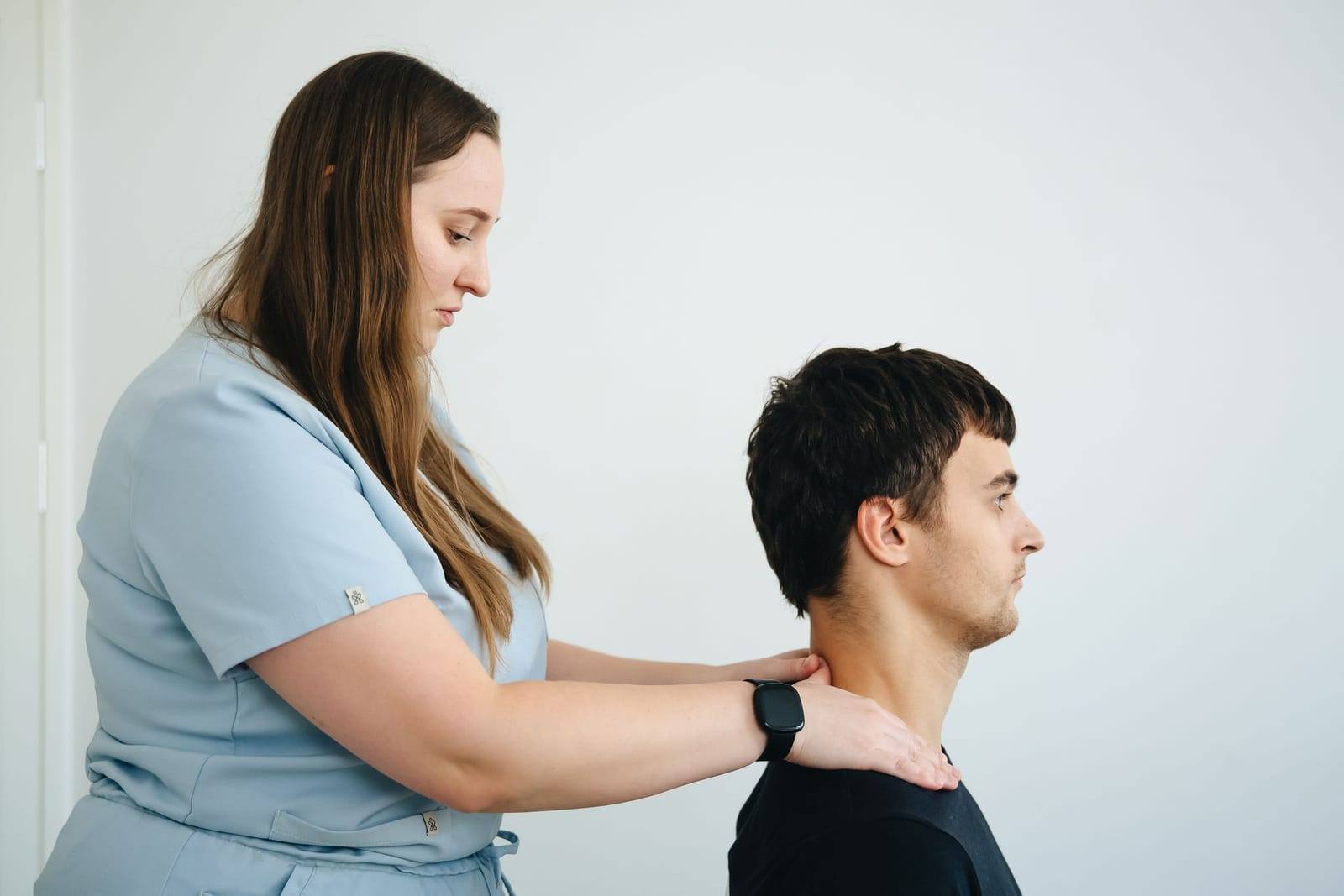
Your 60-minute evaluation with a Doctor of Physical Therapy includes your history, positional testing for BPPV, eye-movement and vestibulo-ocular reflex (VOR) testing, balance testing, a neck assessment and, after concussion, exertion testing. Many people with BPPV improve within one to three visits with canalith repositioning maneuvers such as the Epley maneuver.
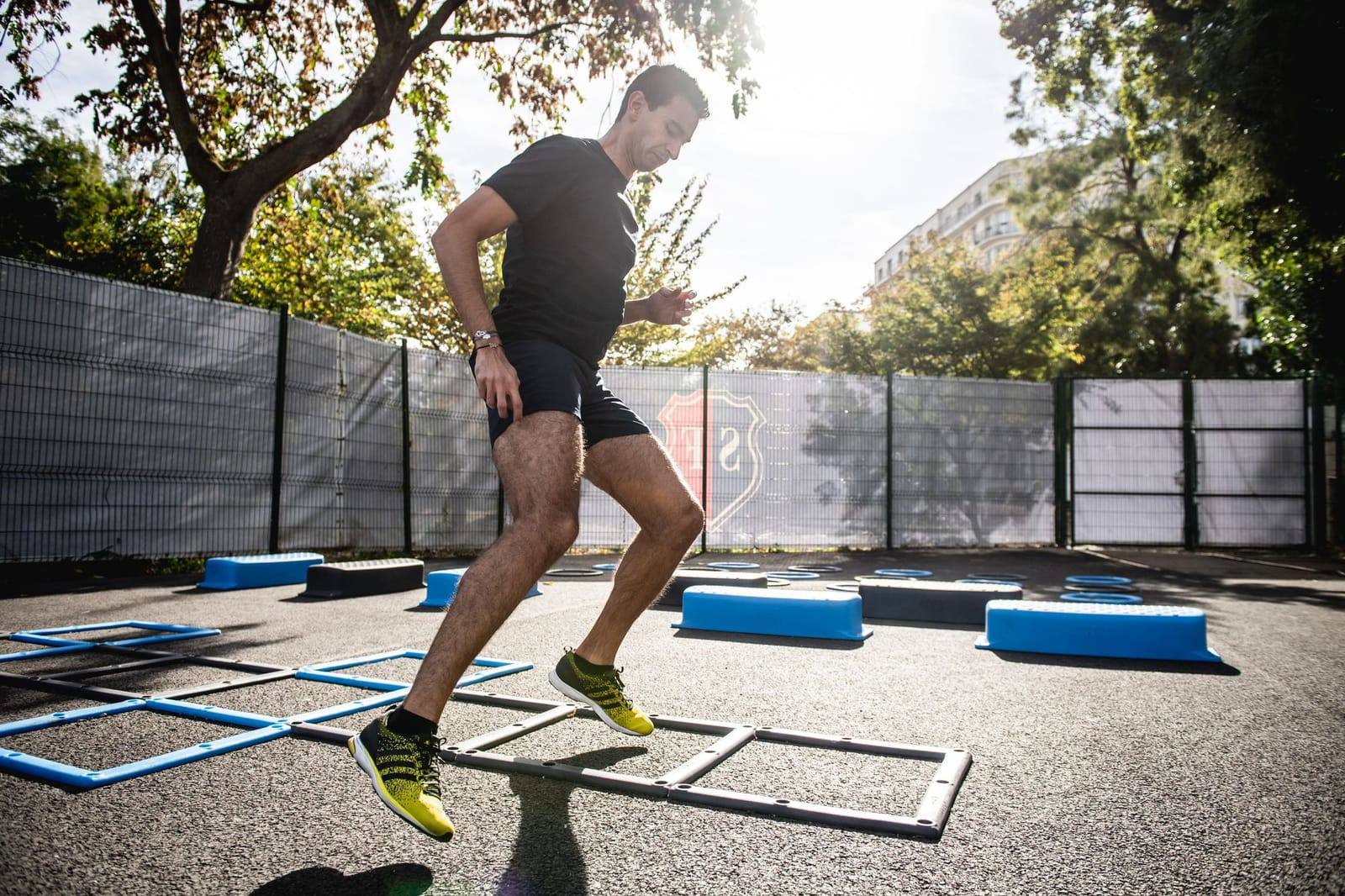
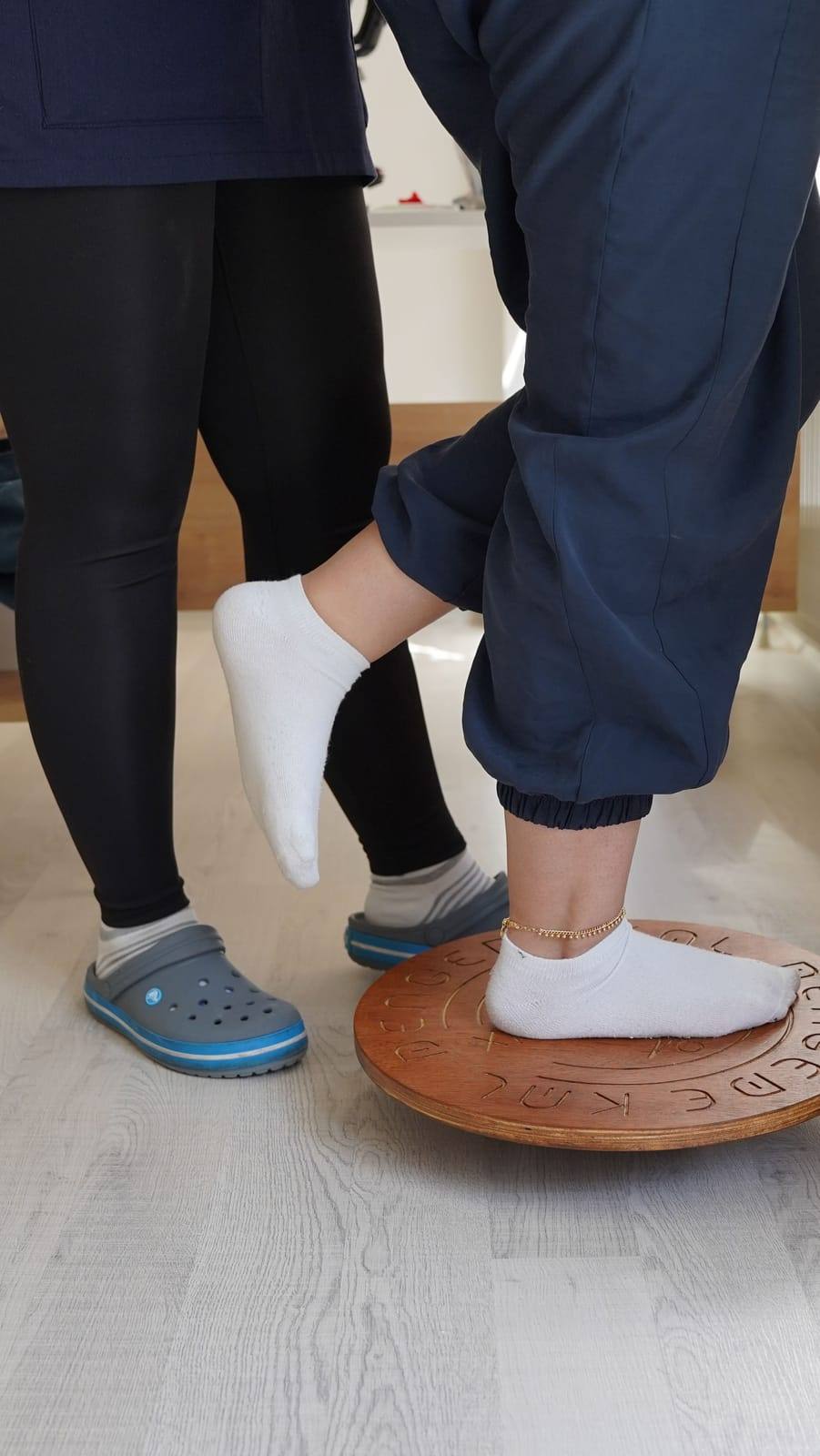
For other conditions, treatment usually includes gaze stabilization exercises, balance training, gradual exposure to busy or moving environments, and neck treatment when it is contributing. After concussion, current evidence supports a gradual return to activity rather than prolonged rest: we use sub-symptom-threshold aerobic exercise, guided by heart rate, to help symptoms settle and fitness return, then progress toward school, work and sport. Return to contact sport follows a graded protocol and requires clearance from a physician. We also look at sleep, screen time, the return to school or work, and the neck, because whiplash often happens alongside a concussion and can drive headaches and dizziness.
BPPV often settles quickly. Other vestibular and post-concussion plans typically run six to ten visits over six to ten weeks, with daily home exercises that may briefly bring on mild symptoms, which is part of how the system recalibrates. Vestibular and concussion care is offered at our Durham and Cary clinics. Book a vestibular evaluation.