Dry needling with sterile, single-use needles, used alongside exercise and hands-on care to ease muscle pain and help you move more comfortably.
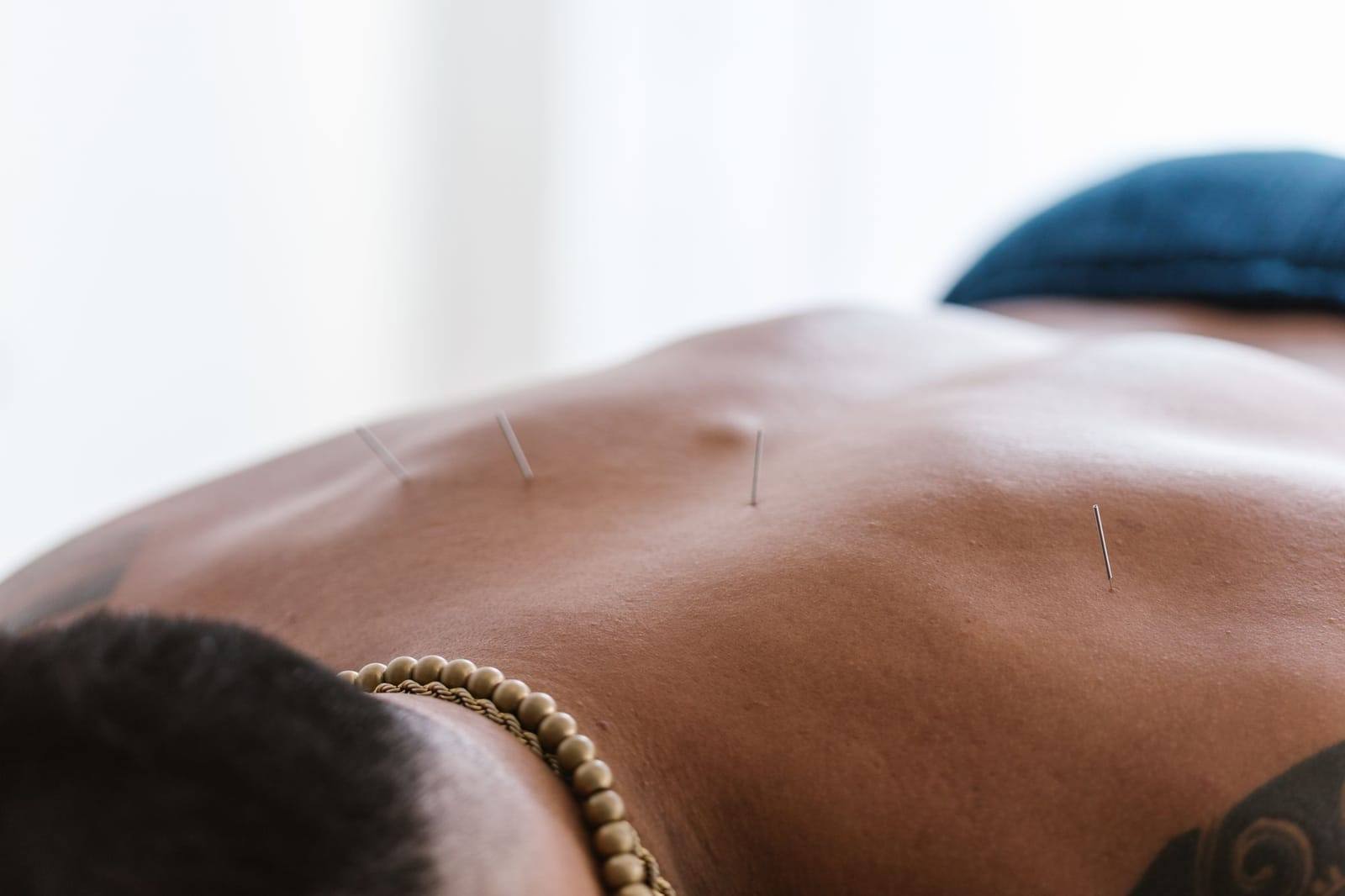
Dry needling uses thin, solid, sterile needles to treat painful, tight areas in muscle, often called trigger points. It isn’t a standalone treatment at Cardinal. We use it as one tool within a full physical therapy plan, usually to reduce pain and muscle tension so you can move and exercise more comfortably.
What it is, and what it isn’t
Dry needling and acupuncture use similar needles, but they come from different traditions and reasoning. Dry needling is based on anatomy and a physical therapy assessment of muscles, nerves and movement. In North Carolina, physical therapists may perform dry needling only after completing specific post-graduate training, and every Cardinal therapist who offers it has done so. We use sterile, single-use needles and clean-needle technique, every time.
Research suggests dry needling can reduce pain in the short term for some musculoskeletal conditions, particularly neck pain, low back pain, shoulder pain and some muscle and tendon problems, especially when combined with exercise and other physical therapy. The evidence is promising but mixed, and we’re honest about that. It works well for some people and less for others. If it isn’t helping you, we stop and use something else.
Dry needling is always optional. If needles aren’t for you, there are other effective ways to treat muscle pain, including manual therapy, specific exercise and education about load, and we use those instead with no change to the quality of your care.
What a session is like
Your therapist explains the technique, discusses risks and benefits, and asks for your consent first. Needles are placed into the target muscle, sometimes with brief, gentle movement. You may feel a deep ache or a quick twitch in the muscle, which is common and usually brief. Needling typically takes 5 to 15 minutes within your regular 55-minute session, followed by movement and exercise to make the most of the change.
Afterward, mild soreness for 24 to 48 hours is common, similar to the feeling after a hard workout, and small bruises can occur. Serious complications are rare. The most important, a collapsed lung (pneumothorax) when needling near the chest wall, is avoided with careful technique and is very uncommon in trained hands. Dry needling isn’t right for everyone: tell us if you are pregnant, take blood thinners, have a bleeding disorder, a strong fear of needles or a weakened immune system.
Getting started
New patients begin with a standard physical therapy evaluation (see what to expect at your first visit); if dry needling suits your plan, we can often start at that visit. There is no separate needling appointment: it happens within your one-on-one hour with the same therapist, and your plan says how often we expect to use it. It is available at all four clinics in Raleigh, Durham and Cary. Book an evaluation and mention that you’re interested.