NewHurt this week? Book a free 20-minute injury screen.See complimentary screens

Just hurt? Start here (919) 555-0100

Back & Neck Pain

Hands-on care and a clear plan for back and neck pain, one hour at a time.

Cost
From $195
Typical plan
60-minute evaluation, then 55-minute visits; most plans run 6–10 visits over 6–8 weeks
Insurance
Physical therapy for back and neck pain is covered by most health plans when it is medically necessary, usually with a copay or coinsurance after your deductible.
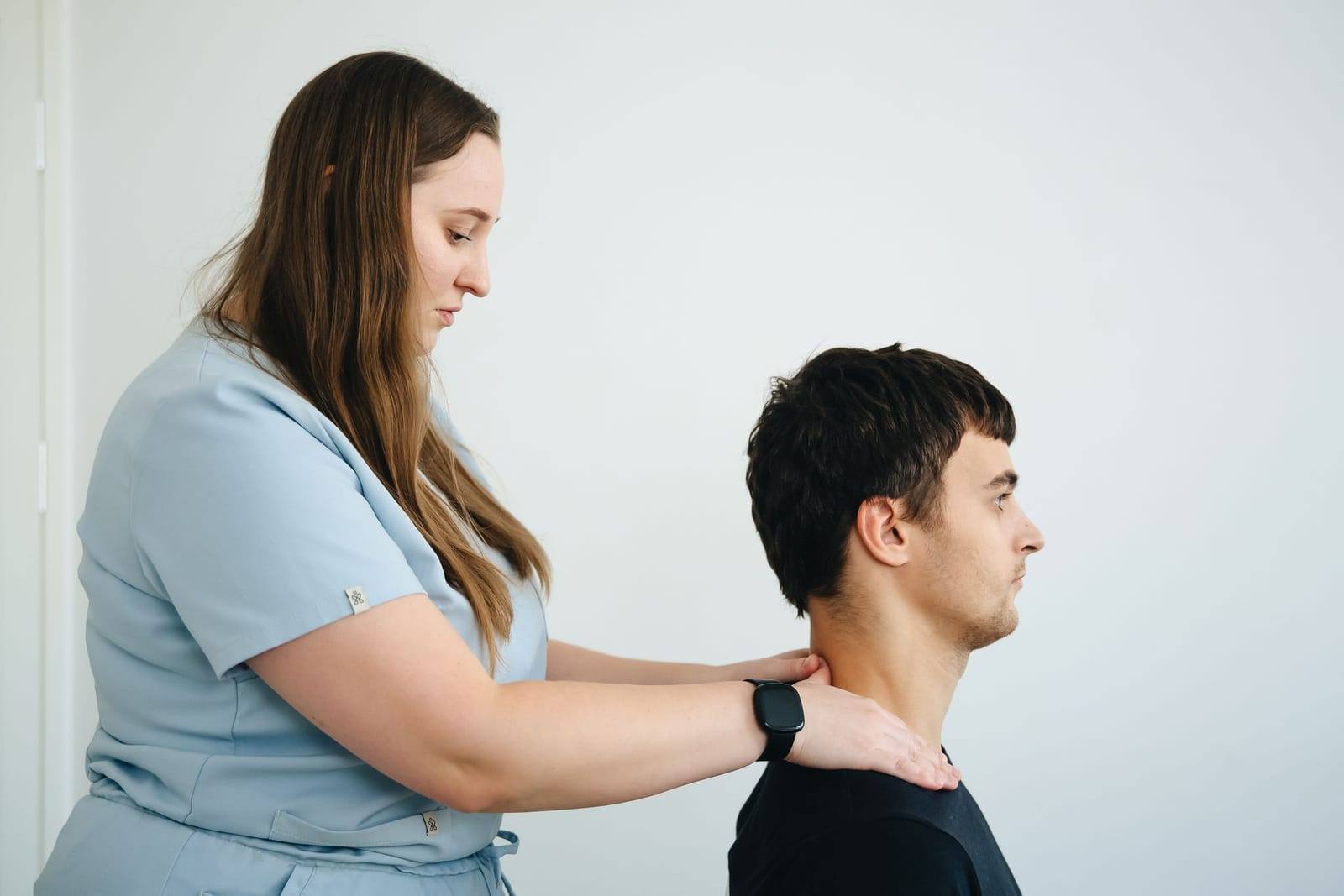
A female therapist places one hand on a seated man's shoulder and the other at the base of his neck, seen in profile against a white wall.

Evaluation and one-on-one treatment for low back pain, sciatica, neck pain and stiffness, with manual therapy, targeted exercise and a home program you can keep.

Most back and neck pain is not dangerous, and most of it improves. That doesn’t make it any easier to live with when you can’t sit through a meeting, turn your head to check a blind spot, or sleep through the night. Physical therapy is one of the most effective first steps for low back pain, sciatica, neck pain and the headaches that sometimes come with it, and for many people it means avoiding imaging, injections or surgery they didn’t need.

What we treat

We see acute low back pain and spasms, recurring back pain, sciatica and other nerve-related leg pain, disc-related pain, stiffness after long hours at a desk, neck pain and whiplash after a car crash, tension-type and neck-related headaches, and back or pelvic pain during pregnancy. We also work with people managing spinal stenosis and arthritis, where the goal is often walking farther and doing more with less pain.

How your care works at Cardinal

Your first visit is a 60-minute evaluation with a Doctor of Physical Therapy. We start with your story: how it began, what makes it better or worse, and what you want to get back to. Then we screen for the uncommon signs that need a physician first, such as numbness in the groin or saddle area, new bladder or bowel changes, progressive leg weakness, fever or unexplained weight loss. If we see any of those, we help you reach the right doctor that day.

The exam looks at how you move, nerve function, strength, and which positions and movements change your symptoms. Before you leave, you’ll have a working diagnosis in plain language, a written plan with goals, and two or three exercises to start that night.

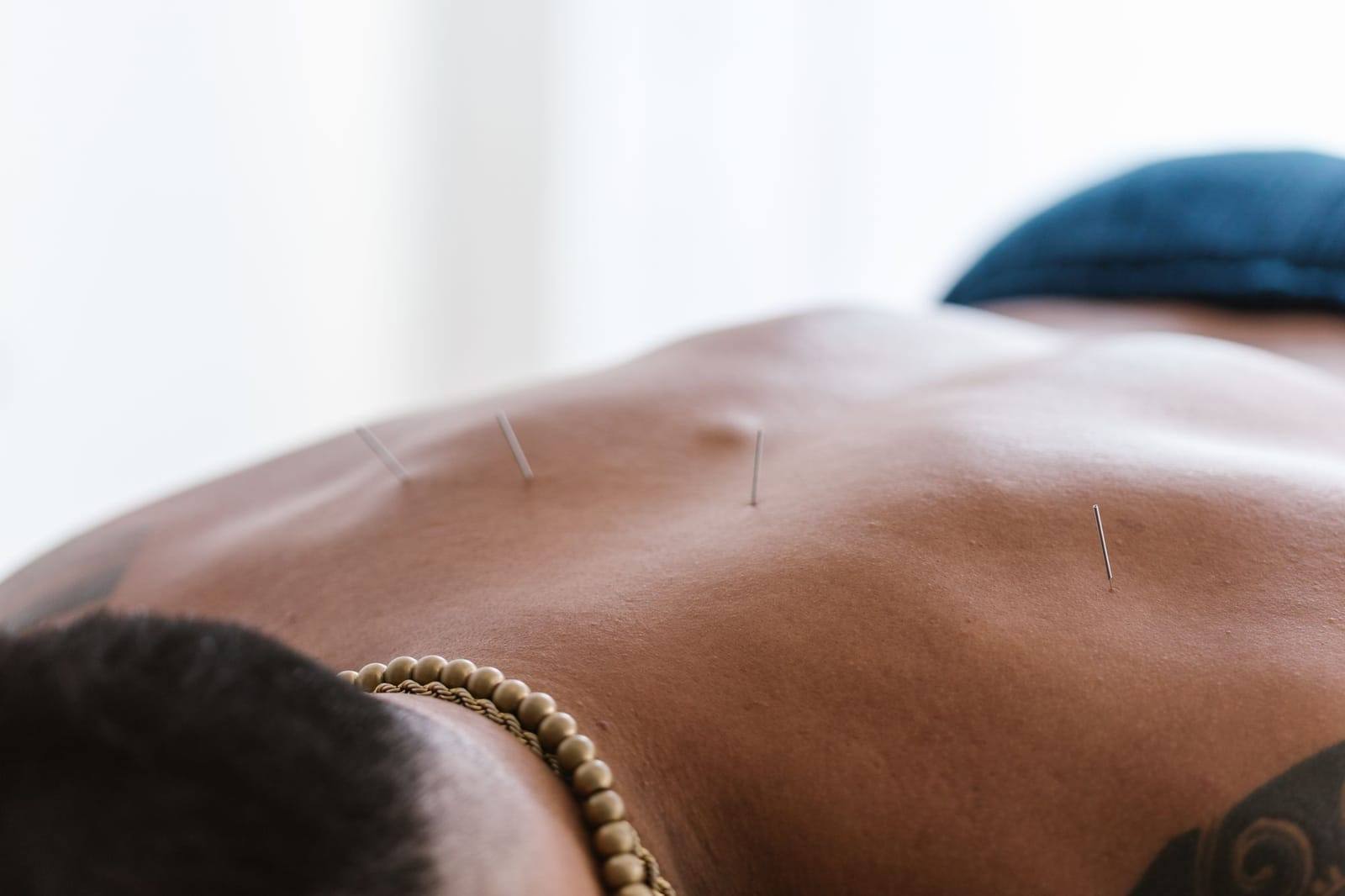
Every follow-up is a full 55 minutes with the same therapist. Treatment usually combines hands-on techniques (joint mobilization, manipulation when appropriate, and soft tissue work), specific exercise to restore movement and build capacity, and practical changes to how you sit, lift, sleep and train. Dry needling is available as an add-on when it fits your plan. You won’t be handed off to an aide or left on a heat pack.

What to expect

Many people with a recent flare feel meaningfully better within two to four weeks. Most plans run six to ten visits over six to eight weeks, often weekly at first and then spaced out as you take over more of the work at home. Longer-standing pain can take longer, and progress isn’t always a straight line: a good week followed by a rough day is normal and doesn’t mean you’re back at the start.

We don’t promise to make pain disappear. Our goal is to help you understand it, calm it down, and build the strength to move without bracing for the next flare. If you aren’t improving as expected, we’ll tell you, and we’ll coordinate with your physician or a spine specialist about next steps.

North Carolina allows direct access, so you can book an evaluation without a referral. Some insurance plans still ask for one, and we check before your first visit. Not sure whether you need to be seen? Start with a free injury screen, or book an evaluation at any of our Raleigh, Durham or Cary clinics.


Why patients choose Cardinal for back & neck pain

  • A full hour, one-on-one

    Every visit is 55 to 60 minutes with your Doctor of Physical Therapy, so there is time for hands-on care, exercise and questions.

  • Fewer unnecessary tests

    Starting with physical therapy for low back pain is linked with less imaging, fewer injections and lower overall costs for many patients.

  • Hands-on and active

    Manual therapy eases pain and stiffness in the short term; targeted exercise builds the capacity that helps keep it from coming back.

  • Fit for real life

    We look at your desk, your commute, your sleep and your training, and shape the plan around them.

  • Safe screening first

    We check for the rare warning signs that need a physician, and help you get there quickly if we find them.

What to expect, step by step

Typical plan: 60-minute evaluation, then 55-minute visits; most plans run 6–10 visits over 6–8 weeks

  1. 01

    Evaluation (60 minutes)

    We take your history, screen for warning signs, assess movement, strength and nerve function, and agree on goals.

  2. 02

    Your written plan

    A plain-language diagnosis, how many visits we expect, what each costs, and your first home exercises.

  3. 03

    Calm it down

    Early visits focus on easing pain with hands-on care, positions that relieve symptoms and gentle movement.

  4. 04

    Build capacity

    We progress strength and endurance for your back or neck so everyday loads feel ordinary again.

  5. 05

    Plan for flare-ups

    Before discharge, you have a long-term program and a written plan for what to do if pain returns.

It may be a good fit if…

  • Low back pain, with or without pain into the leg
  • Neck pain, stiffness or headaches that start at the base of the skull
  • Sciatica or a diagnosed disc bulge or herniation
  • Back or neck pain after a car crash, fall or lifting injury, once a physician has ruled out a fracture
  • Recurring flare-ups you would like to understand and prevent
  • Spinal stenosis or arthritis that limits how far you can walk

Between visits

  • Keep moving gently. Short, frequent walks usually help more than rest.
  • Do your home program most days. Ten focused minutes beats an hour once a week.
  • Change position every 30 to 45 minutes at a desk, and set a reminder if you need one.
  • Some soreness after a session is normal and should settle within a day or two.
  • Call us or your doctor promptly if you notice new numbness, weakness, or bladder or bowel changes.

Therapists who focus on back & neck pain

What patients say

Yelp

Years of desk work left me with a stiff, achy neck and headaches by late afternoon. Dr. Haines combined hands-on work with a few simple exercises and explained exactly why each one mattered. Saturday morning appointments made it easy to stick with, and my afternoons are much better.

Robert F.Cary ·
Yelp

I have been to three physical therapy clinics for my back over the years, and this is the first where nobody handed me off halfway through. Dr. Vance found that my hips were part of the problem, which no one had checked before. The exercises are simple, the parking is easy, and my back has been much calmer since.

David W.North Hills ·
Google

I brought my mother, who is more comfortable in Spanish, for her low back pain. Dr. Ferrer explained everything to both of us, wrote her home exercises out in Spanish, and was patient with all of our questions. My mom is gardening again and does her exercises every morning.

Ana G.Glenwood South ·

Clear ways to pay

  • Superbills for out-of-network plans

    Not in-network? Pay at the visit and we’ll give you an itemized superbill with the codes your plan needs to reimburse you.

  • HSA & FSA

    Physical therapy is an eligible medical expense. Use your health savings or flexible spending card at any clinic.

  • Cardinal Membership

    After discharge, a flat monthly plan keeps you seeing your therapist, from $129 a month.

  • Self-pay pricing

    Posted prices with no surprises: evaluation from $195 and follow-up visits from $175, paid at each visit.

Back & Neck questions

Have a question we didn’t cover? Send us a note and a member of our clinical team will get back to you.

Do I need an X-ray or MRI before physical therapy for back pain?

Usually not. Clinical guidelines recommend against routine imaging for most new low back pain, because findings like disc bulges are common in people without any pain and rarely change the first steps of care. If your symptoms or exam suggest imaging would help, we’ll coordinate with your physician.

How many physical therapy visits will I need for back pain?

Most people with a recent episode need six to ten visits over six to eight weeks, and sometimes fewer if the pain is new. Long-standing or recurring pain can take longer. We give you an estimate at your evaluation and update it as you progress.

Should I rest or stay active with back pain?

For most back pain, staying gently active helps you recover faster than bed rest. Walking, changing positions often and avoiding long stretches in one posture are good starting points. Your therapist will help you find which movements feel safe right now.

Can physical therapy help sciatica?

Often, yes. Many people with sciatica improve with a combination of specific movements, nerve mobility exercises, strengthening and activity changes. We monitor strength and sensation closely and refer you to a physician if symptoms worsen or don’t respond.

Is spinal manipulation safe?

For carefully screened patients, manipulation of the low back is considered safe, and serious side effects are rare. Neck manipulation is used more selectively. It’s always optional: there are effective alternatives, and we explain the options before using any technique.

When should back pain be seen in the ER instead?

Go to an emergency department for back pain with new numbness in the groin or inner thighs, loss of bladder or bowel control, rapidly worsening leg weakness, fever, or back pain after significant trauma. These are rare but need urgent medical care.

Ready when you are.

Book online in about a minute. Pick your clinic and a time, and we’ll check your insurance before your first visit.