ACL Rehab Timeline: What to Expect From Surgery to Return to Sport
An ACL rehab guide from a sports physical therapist: phases, milestones, return-to-sport testing, and why criteria matter more than the calendar.
The first question almost every athlete asks me after ACL surgery is “When can I play again?” The honest answer is: when you pass the tests, and for most people that is somewhere between nine and twelve months after surgery. Some take longer. Very few should go sooner.
That can be hard to hear in the first week, when you are still learning to straighten your knee. So here is how ACL rehabilitation usually unfolds, what each phase is for, and why we use milestones rather than dates to decide when you move forward.
Before surgery: prehab matters
If you have time before surgery, use it. Getting swelling down, restoring full knee straightening, and building quadriceps strength before the operation is linked with a smoother recovery afterward. Many of my patients do two to six weeks of prehab, and they tend to reach their early milestones sooner.
The phases of ACL rehab
Every surgeon has their own protocol, and the type of graft and any meniscus repair can change the pace. We follow your surgeon’s restrictions closely. Within those, most recoveries follow a similar arc.
Weeks 0–2: calm the knee and get it straight
- Control swelling with elevation, compression and ice as directed.
- Restore full extension. A knee that won’t fully straighten is one of the most common long-term problems, and it is much easier to prevent than to fix.
- Wake up the quadriceps with quad sets, straight-leg raises and, where helpful, electrical stimulation.
- Walk with crutches as instructed, progressing toward a normal walking pattern.
Weeks 2–12: build strength and control
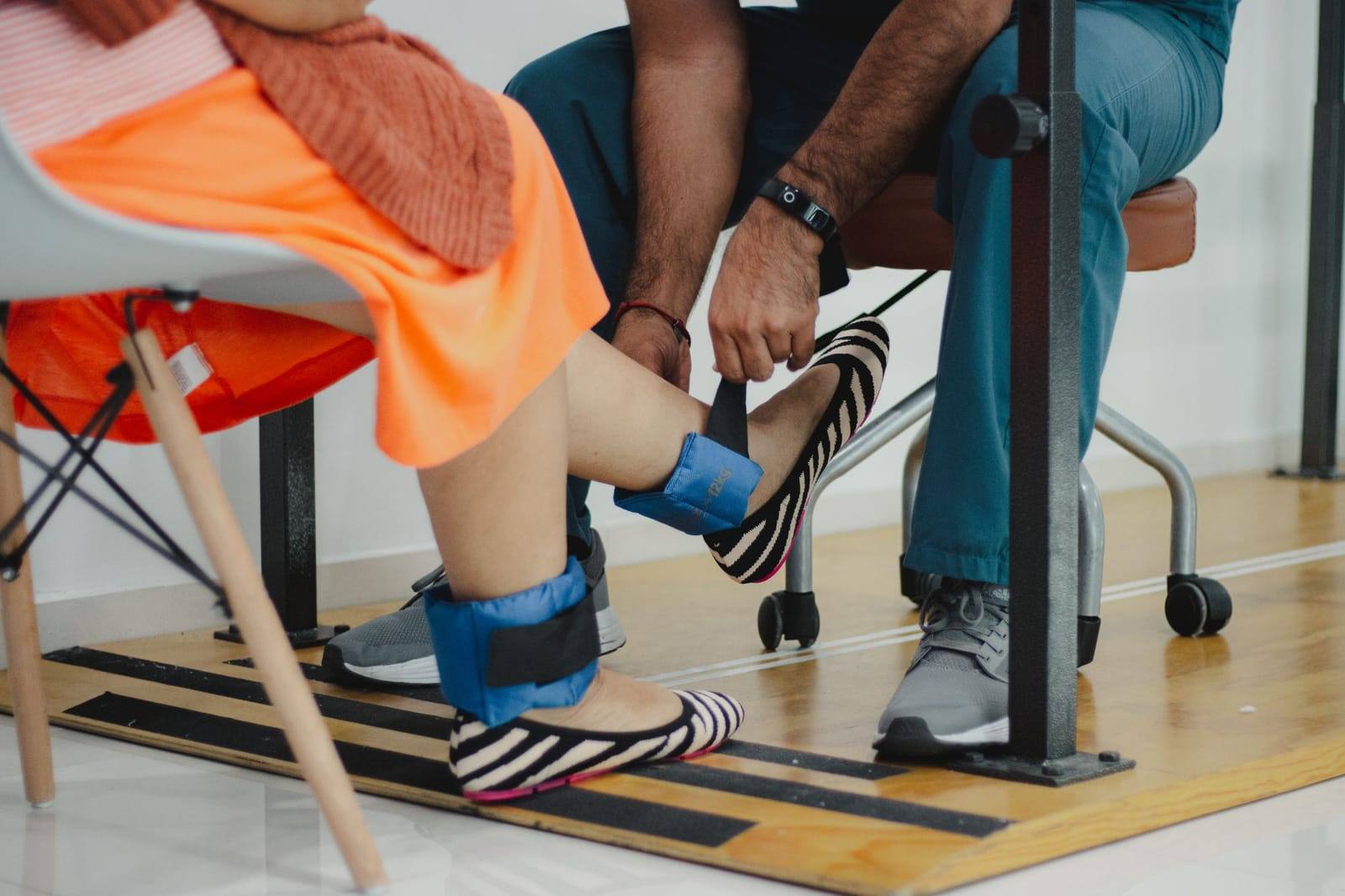
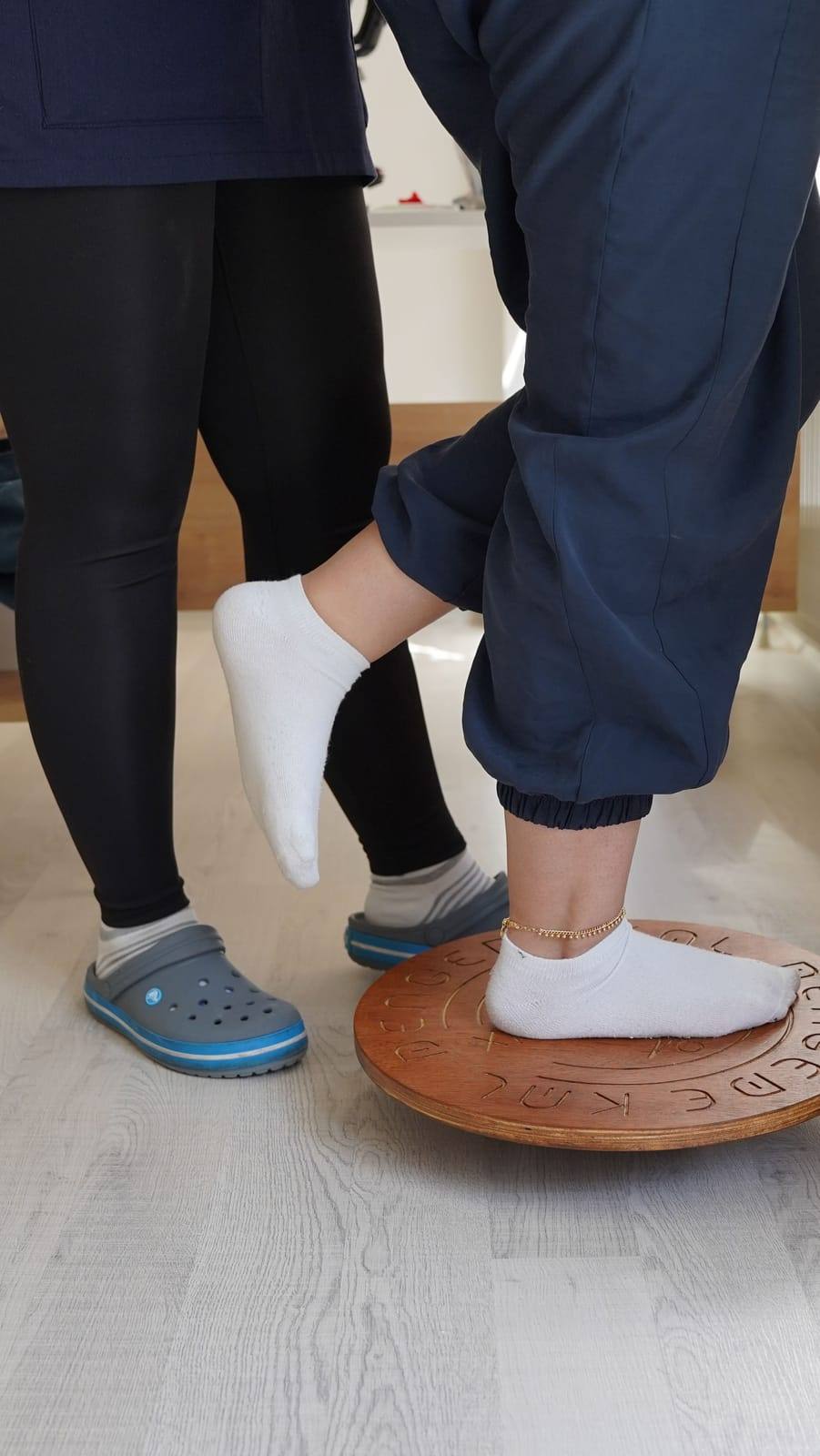
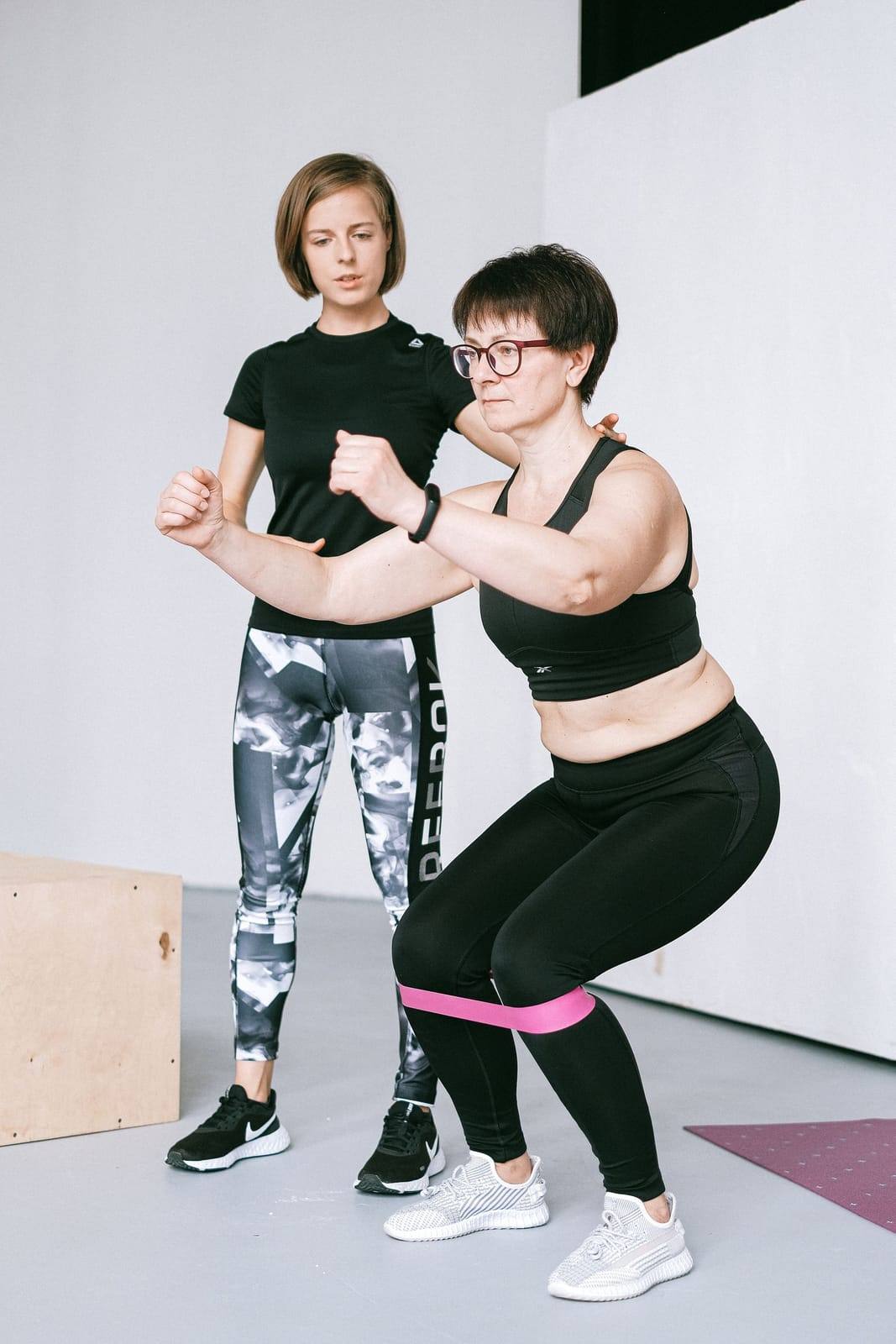
This is where the real work starts. We progress to squats, step-ups, leg presses, bridges and balance work, then single-leg strength. The goal is a quiet, stable knee and a quadriceps that is catching up to the other side. Stationary cycling usually starts early in this phase.
Months 3–6: running and landing
Running typically begins somewhere around three to four months, but only once you meet the criteria: full motion, minimal swelling, a normal walking pattern and enough strength to absorb the load. We introduce jumping and landing gradually, focusing on how you land as much as how high you jump.
Months 6–9 and beyond: speed, agility and sport
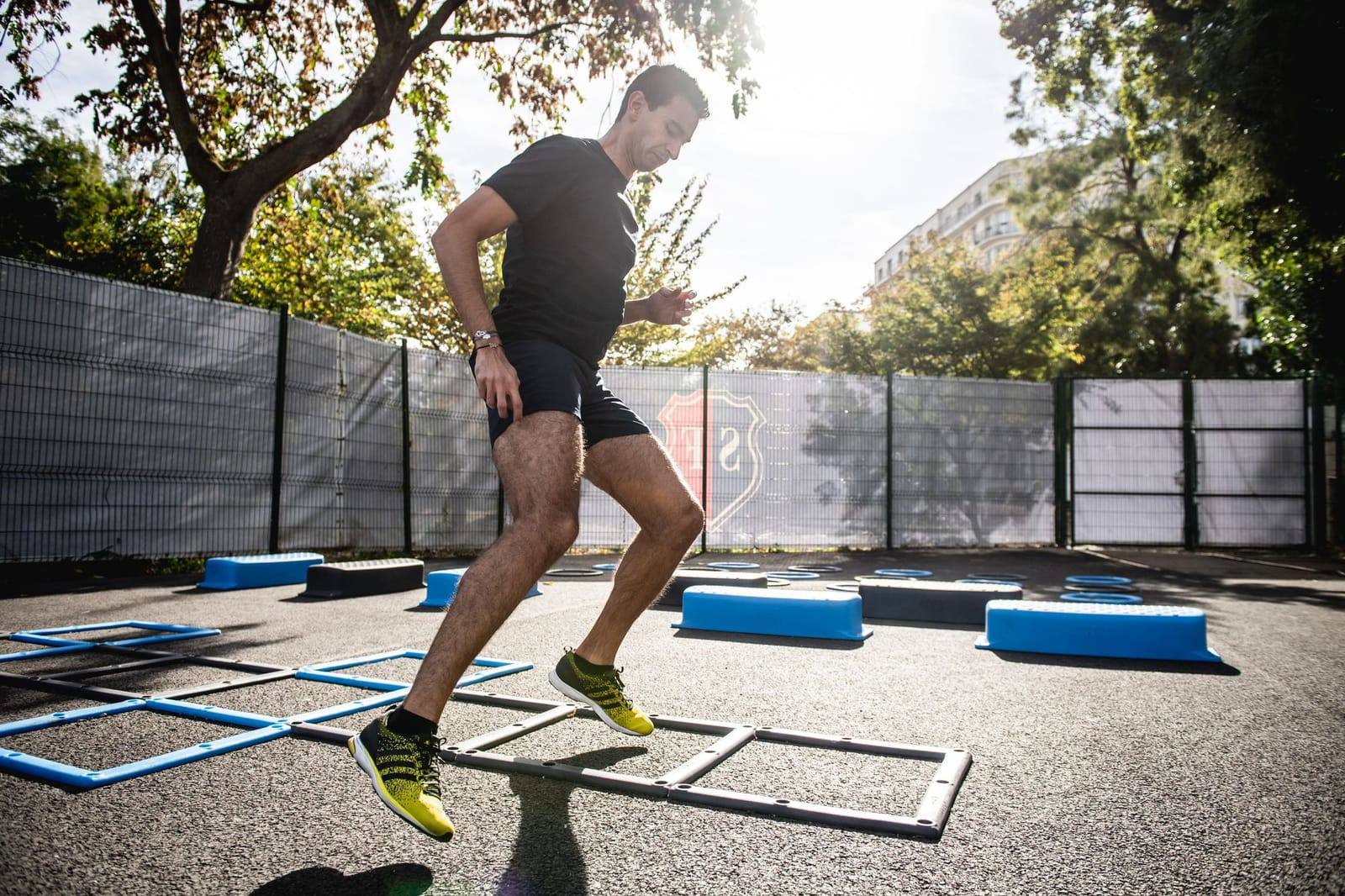
Cutting, deceleration, sprinting and sport-specific drills come next, with steadily increasing intensity and unpredictability. Toward the end, practice is reintroduced in stages: non-contact drills, then controlled contact, then full practice, then games.
Why we test instead of counting weeks
An ACL graft goes through a long process of remodeling after surgery, and the muscles around the knee take months to recover their strength. Feeling good is not the same as being ready. Research suggests that athletes who return to cutting and pivoting sports before about nine months, or before they meet objective criteria, have a higher risk of reinjury.
At Cardinal, return-to-sport decisions are based on a battery of tests, done together with your surgeon:
- Strength testing with a handheld dynamometer, comparing the quadriceps and hamstrings on each side. We generally look for at least 90 percent symmetry.
- Hop tests for distance and control, single and repeated.
- Movement assessment of landing, cutting and deceleration, recorded on video.
- Psychological readiness, using a short questionnaire. Fear of reinjury is common and worth addressing directly.
If you are not there yet, the tests show us exactly what to work on next. That is far more useful than a date on a calendar.
What gets in the way
The most common setbacks I see are persistent swelling from doing too much too soon, a knee that never fully straightens, and quadriceps weakness that hides behind a good-looking jog. Sleep, nutrition and life outside rehab matter too. A plan that fits your schedule is one you will follow.
When to call your surgeon
Contact your surgeon’s office promptly for increasing redness or warmth around the incision, fever, calf pain or swelling, a sudden large increase in knee swelling, or a new feeling of the knee giving way. These are uncommon, but they need a medical look.
What ACL rehab at Cardinal looks like
Every visit is a full hour with a Doctor of Physical Therapy, which gives us time for real strength work rather than a list of exercises and a heat pack. Most of my ACL patients come once or twice a week for the first few months, then less often as their home and gym program takes over. Later in the plan, some sessions include conditioning with our athletic trainer, always under the plan we set together.
If you are facing ACL surgery, or you are partway through rehab and unsure about the next step, you can read more about ACL rehabilitation or book an evaluation. Starting before surgery is ideal, but it is never too late to get a plan that is built around the tests that matter.
Dr. Mateo Alvarez, PT, DPT, CSCS
ACL and return-to-sport physical therapist at Cary, with Friday hours in Durham. A certified strength coach who treats rehab as training.
This article is general education and isn’t a substitute for an evaluation. If you have new, severe or worsening symptoms, please see a physician or a physical therapist.