What Is Dry Needling? How It Works, What It Feels Like, and Who It Helps
An orthopedic specialist explains dry needling: what it is, how it differs from acupuncture, what the research says, safety, and how it fits into a PT plan.

Dry needling is one of the most common things patients ask me about at Glenwood South. Some have had it before and liked it. Others have heard about it from a friend and want to know whether it would help them. And a few are nervous about needles and want to know what they are getting into. Here is a straightforward explanation.
What dry needling is
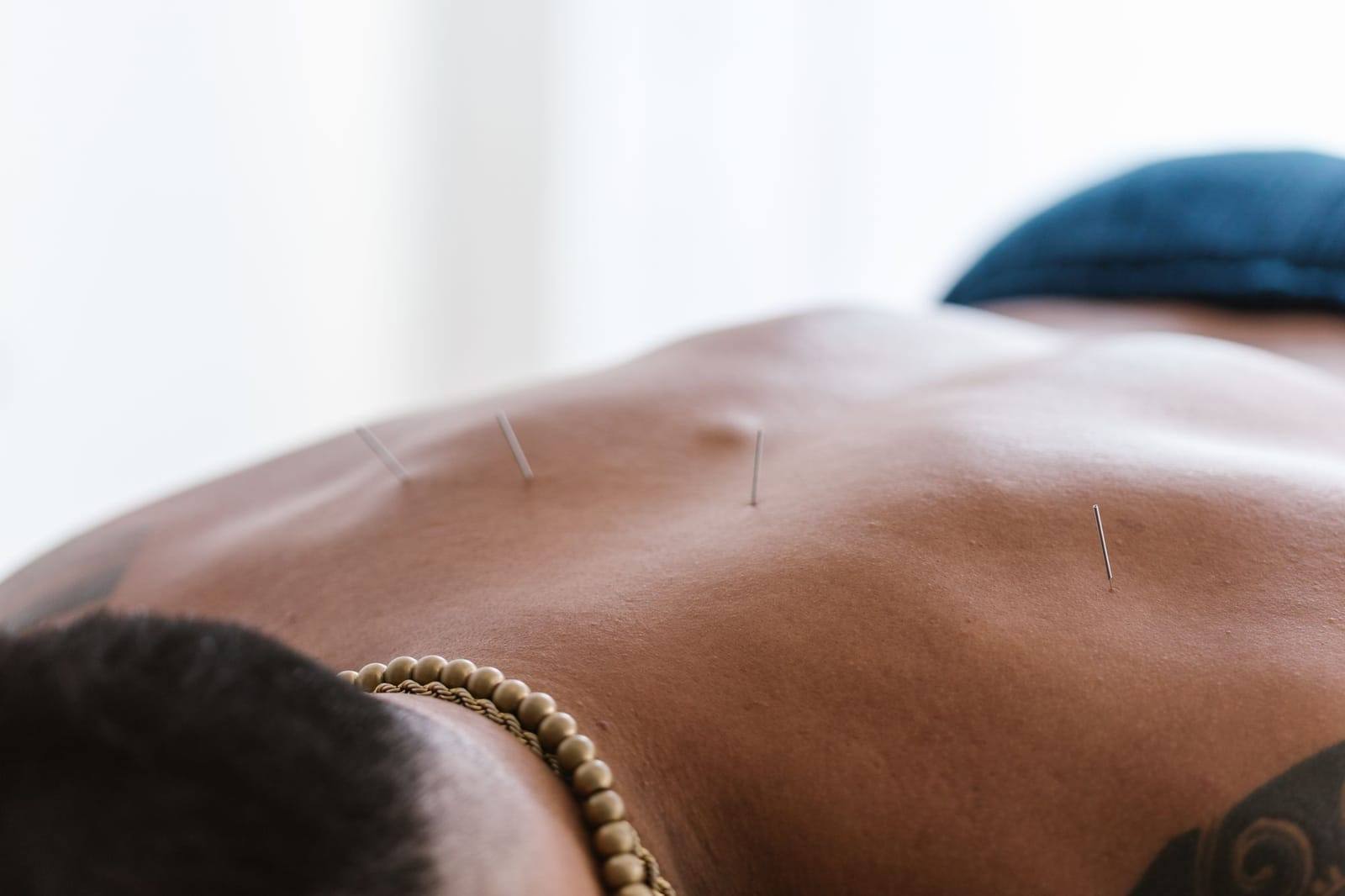
Dry needling uses very thin, solid, single-use needles inserted into muscle and other soft tissue to reduce pain and improve movement. It is called “dry” because nothing is injected. The needles are the same type used in acupuncture, but the reasoning behind where and why they are placed is different. Dry needling is based on anatomy, the findings of your physical therapy exam, and the movements that are painful or limited.
Physical therapists in North Carolina may perform dry needling after completing specific training beyond the doctorate, and it is always part of a broader plan of care rather than a treatment on its own.
How it may work
The exact mechanisms are still being studied. Current thinking is that dry needling may reduce pain by changing how the nervous system processes signals from a sensitive area, reduce local muscle tension, and improve blood flow in the area. When a needle is placed in a tight, sensitive band of muscle, you may feel a brief twitch, which often comes with a sense of release.
What we can say with more confidence is what research shows: for some conditions, such as neck pain, low back pain and some shoulder problems, dry needling combined with exercise can reduce pain in the short term more than exercise alone. The effect on long-term outcomes is less clear. That is why we use it to make movement and exercise easier, not as a replacement for them.
What it feels like
Most people feel little or nothing as the needle goes through the skin. When it reaches a sensitive area of muscle, you may feel a deep ache, a cramp or a twitch for a second or two. Needles are usually in place for anywhere from a few seconds to several minutes. If anything feels sharp or wrong, tell us and we will stop or adjust right away.
Afterward, it is common to feel sore in the treated area for a day or two, similar to the feeling after a hard workout. Small bruises can happen. We usually suggest light movement, heat if it feels good, and staying hydrated.
Safety
Dry needling is generally safe when performed by a trained clinician, but it is not risk-free. Serious complications are rare. The most important is pneumothorax, a collapsed lung, which is why needling near the chest wall requires careful technique and additional training. We follow strict clean-needle technique, use single-use sterile needles, and review your health history before every first session.
Tell us if you are pregnant, take blood thinners, have a bleeding disorder, a compromised immune system, a fear of needles, or a metal allergy. Dry needling may not be appropriate, or may need to be adapted.
Who it tends to help
- Neck and upper back pain, including tension-type headaches related to the neck
- Low back pain with muscle guarding
- Shoulder pain, including some rotator cuff problems
- Hip, buttock and thigh pain related to muscle sensitivity
- Tennis elbow and other tendon-related pain, as part of a loading program
It is less useful when pain is mainly driven by something it cannot change, such as a joint that needs strength and load management or nerve irritation that needs time and graded activity. During your evaluation we will tell you honestly whether we think it is worth trying.
How dry needling works at Cardinal
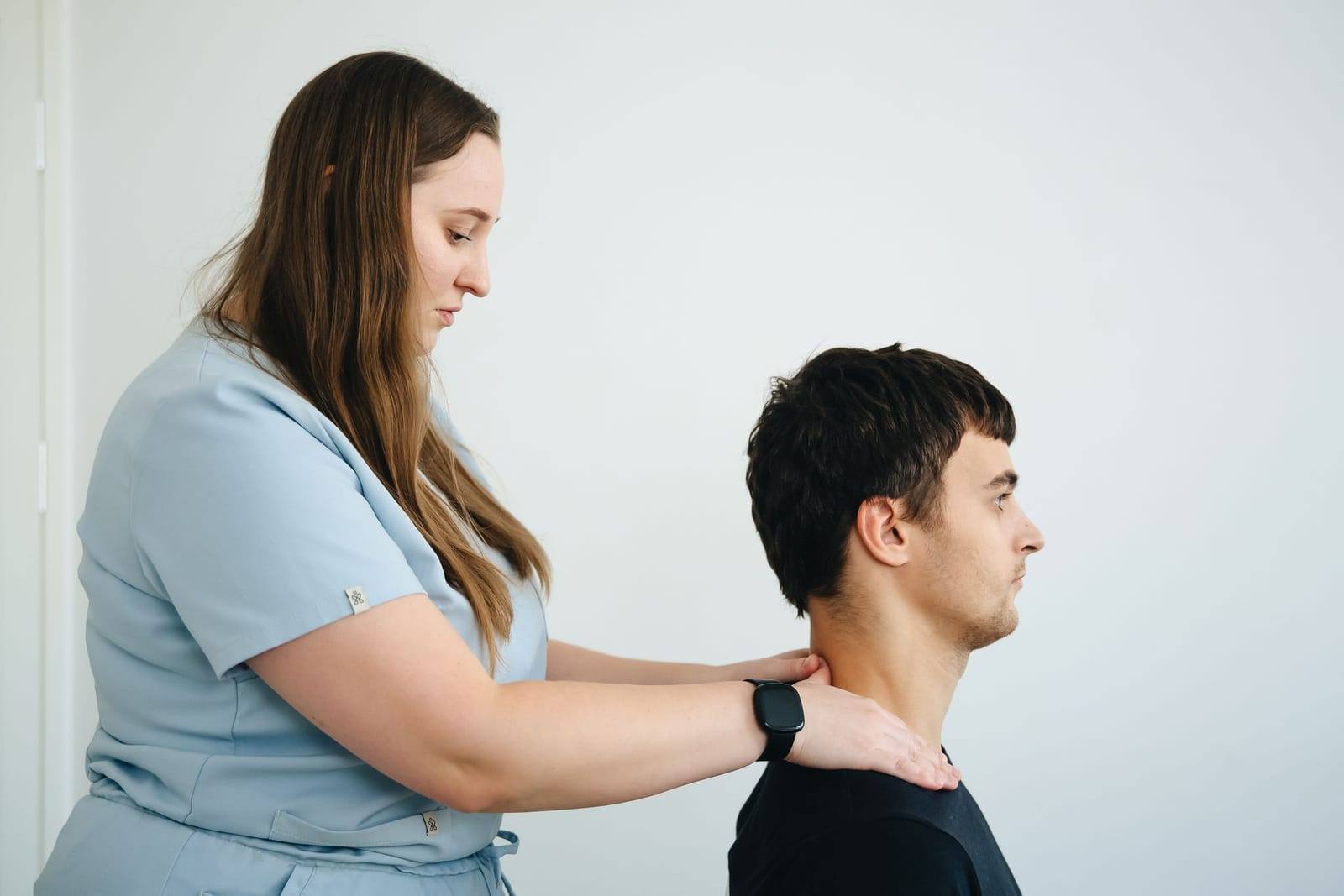
We only add dry needling after a full evaluation with a Doctor of Physical Therapy, and only with your consent. You can say no, or stop, at any point. It usually takes ten to fifteen minutes within a regular one-hour visit, and the rest of the session is exercise and hands-on care that builds on the change.
Most people who benefit notice a difference within two or three sessions. If you haven’t noticed a meaningful change by then, we stop and focus on other approaches. Dry needling is a $45 add-on for self-pay patients, and coverage varies by insurance plan; we will check yours before you start.
You can read more about dry needling at Cardinal or book an evaluation. If you are curious but unsure, bring your questions. We are happy to talk it through before any needles come out.
Dr. Daniel Hirsch, PT, DPT, OCS
Orthopedic specialist and lead dry needling clinician at Glenwood South, with Thursday hours in Durham. Known for clear explanations and steady progressions.
This article is general education and isn’t a substitute for an evaluation. If you have new, severe or worsening symptoms, please see a physician or a physical therapist.