Concussion Recovery: Why Total Rest Isn’t the Answer, and What Helps
A vestibular physical therapist explains concussion recovery, warning signs that need a doctor, graded return to activity, and when to seek physical therapy.

For years, the standard advice after a concussion was to rest in a dark room until every symptom was gone. We now know that prolonged, strict rest can actually slow recovery for many people. A short period of relative rest, followed by a gradual return to light activity, is the approach most current guidelines recommend.
I work with people of all ages after concussion at our Durham and Cary clinics, from high school athletes to adults who slipped on ice or hit their head in a car crash. Here is how recovery usually works, and when physical therapy can help.
First: get checked by a physician
Anyone with a suspected concussion should stop the activity right away and be evaluated by a physician. Physical therapy is part of concussion care, but it comes after a medical assessment.
Go to the emergency department or call 911 for any of the following after a head injury:
- A headache that gets worse and does not go away
- Repeated vomiting
- Loss of consciousness, even briefly, or increasing drowsiness
- Slurred speech, weakness, numbness or trouble with coordination
- Seizures, confusion that is getting worse, or unusual behavior
- One pupil larger than the other
- Neck pain with numbness or weakness, or a significant blow to the head in an older adult or someone taking blood thinners
What typically happens next
Many people feel noticeably better within a few weeks. During the first day or two, relative rest is reasonable: reduce screen time, sleep, and avoid anything that risks another hit. After that, light activity such as walking is generally encouraged, as long as it does not significantly worsen symptoms.
A helpful guide is that a mild, short-lived increase in symptoms during activity is acceptable, but a large jump, or symptoms that stay worse for more than an hour, means you should scale back.
When symptoms linger
For some people, symptoms such as headaches, dizziness, motion sensitivity, trouble reading or focusing, neck pain and fatigue last beyond a few weeks. This is common and treatable. Often, a few overlapping systems are involved:
- The vestibular system, your inner-ear balance organs, which can cause dizziness and unsteadiness
- The visual system, which can make reading, screens and busy environments uncomfortable
- The neck, which often takes a hit along with the head and can drive headaches and dizziness
- Exercise tolerance, where the body’s response to exertion has not yet settled
How physical therapy helps
A vestibular and concussion evaluation looks at each of those systems. We check eye movements, balance, the inner ear (including for benign paroxysmal positional vertigo, a common and very treatable cause of brief spinning dizziness), the neck, and how you respond to light exercise.
Treatment is then matched to what we find:
- Graded aerobic exercise, often on a stationary bike, set below the level that brings on symptoms and increased over time
- Vestibular exercises to improve gaze stability and reduce motion sensitivity
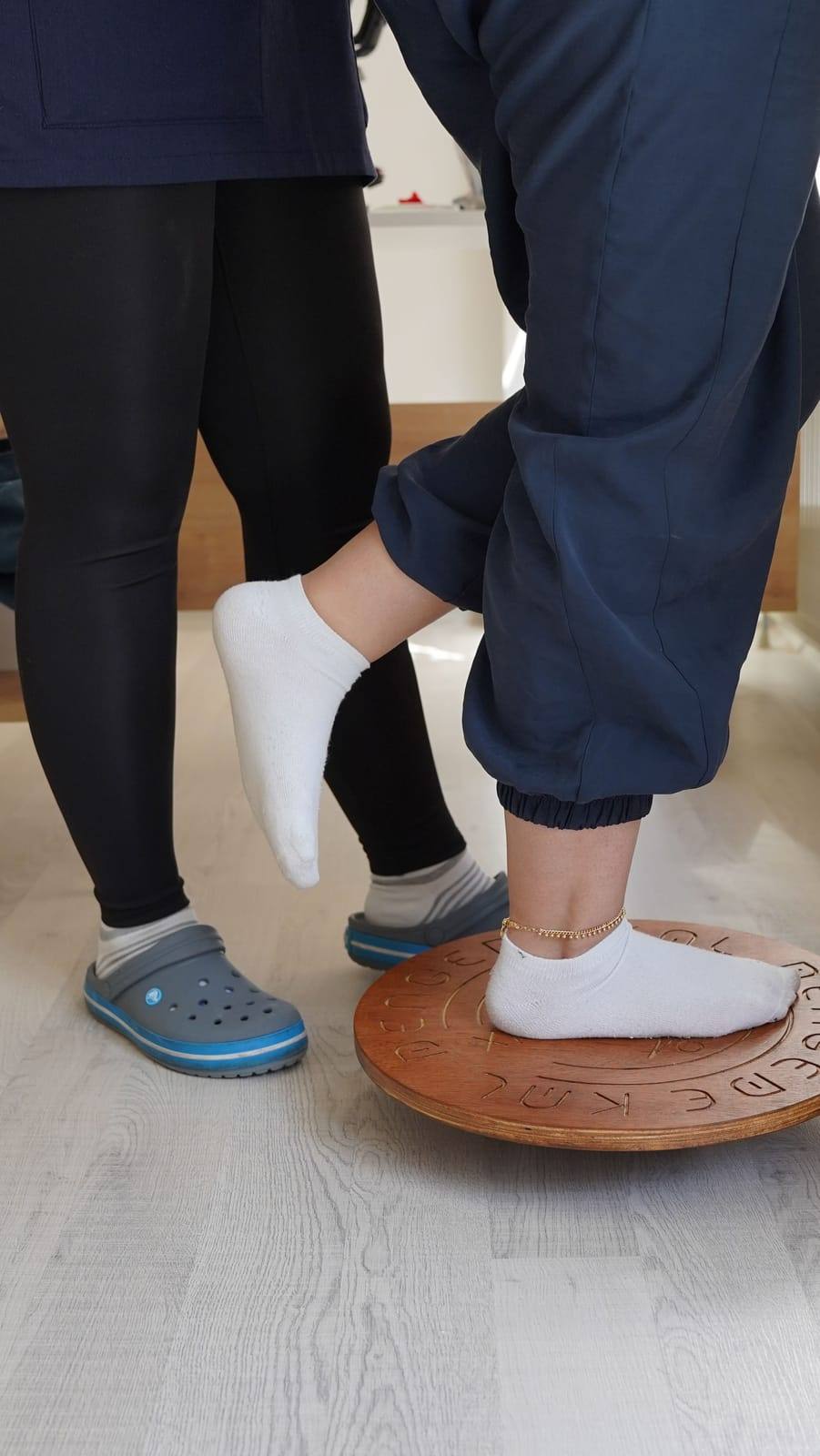
- Balance training, progressing from steady surfaces to more challenging ones
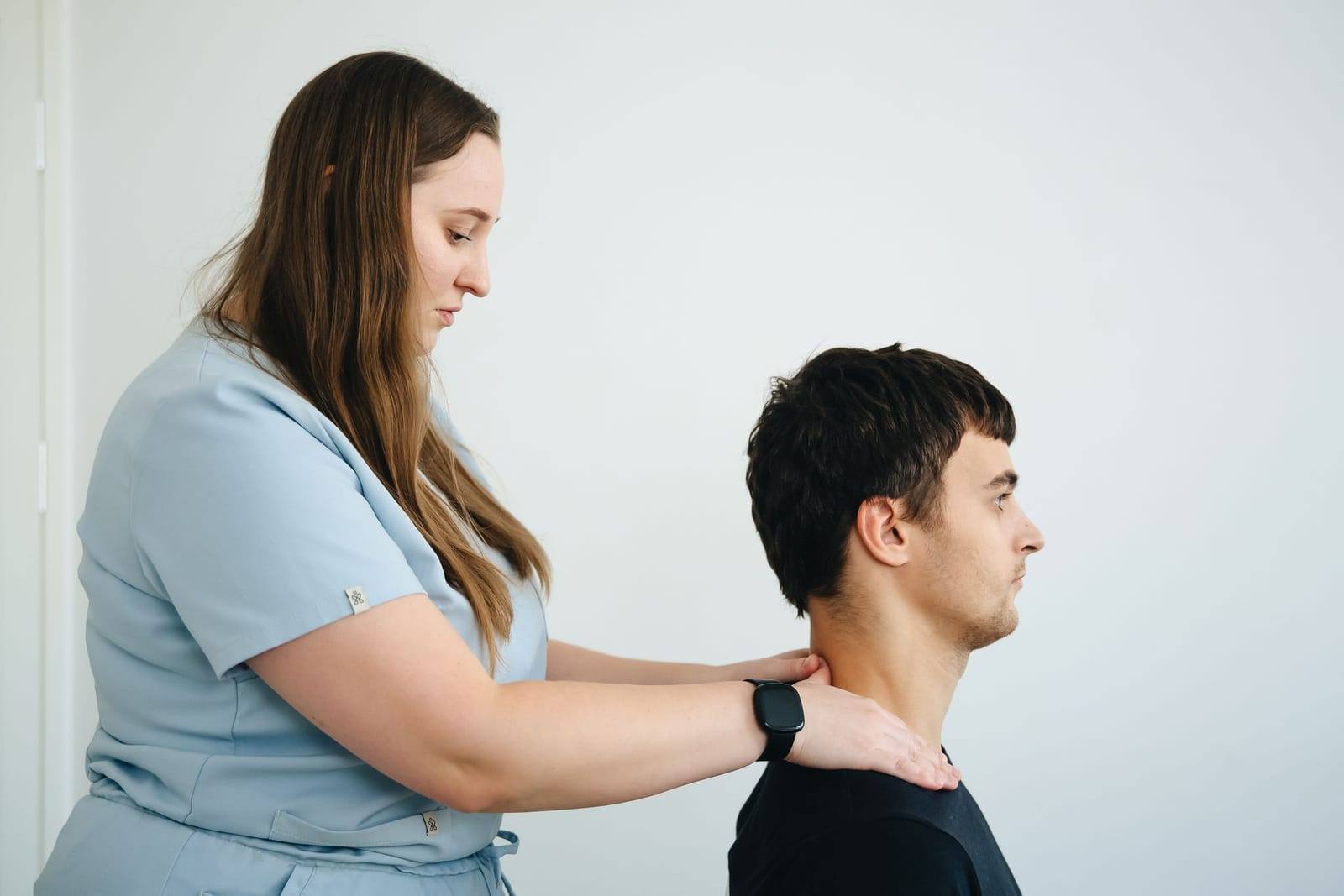
- Neck treatment, including mobility and strength work, when the neck is contributing
- Repositioning maneuvers if positional vertigo is present
We coordinate with your physician throughout, and for school-age patients we work with athletic trainers and schools on a return-to-learn plan alongside return to play.
Returning to sport
Return to sport follows a stepwise progression: light aerobic activity, then sport-specific exercise, then non-contact drills, then full-contact practice, and finally competition. Each step typically takes at least a day, and you move forward only if symptoms do not return. Final clearance for contact sports comes from a physician. In North Carolina, school athletes also follow the state’s concussion protocol under the Gfeller-Waller Concussion Awareness Act.
Returning too soon carries real risks, including a slower recovery and, rarely, serious injury from a second impact before the brain has healed. It is worth taking the time.
When to book
If you have been medically evaluated and still have dizziness, balance problems, headaches, visual discomfort or exercise intolerance more than a week or two after a concussion, physical therapy is a reasonable next step. You don’t need to wait months. It helps to bring a short list of your symptoms, what makes them worse, and any notes from the physician who saw you.
At Cardinal, every visit is a full hour, which gives us time to assess carefully without pushing symptoms too far in a single session. You can read more about vestibular and concussion rehab, or if you have just been injured, start with our injury care guide for what to do first.
Dr. Julia Park, PT, DPT
Vestibular and concussion physical therapist in Durham, with Monday and Wednesday hours at Cary. Treats dizziness, vertigo and post-concussion symptoms.
This article is general education and isn’t a substitute for an evaluation. If you have new, severe or worsening symptoms, please see a physician or a physical therapist.