Postpartum Pelvic Floor Recovery: What’s Normal and When to Get Help
A pelvic health physical therapist on recovery after birth: leaks, pelvic pain, abdominal separation, returning to exercise, and what a pelvic health visit involves.


Many of the people I see at our Cary clinic were told at their six-week checkup that everything looked fine. They were cleared for exercise, and then they went for a run and leaked, or tried to lift the car seat and felt heaviness low in their pelvis, or found that sex was still painful months later. None of that means something went wrong. It means recovery after birth takes longer than six weeks, and it often goes better with a plan.
What is common in the first months
Pregnancy and birth place real demands on the pelvic floor and abdominal wall, whether you delivered vaginally or by cesarean. In the early weeks, it is common to notice:
- Some leaking with coughing, sneezing or laughing
- A sense of weakness or reduced control in the pelvic floor
- Tenderness at a perineal tear, episiotomy or cesarean scar
- Low back or pelvic girdle aches, especially with lifting and feeding positions
- A soft or separated feeling along the midline of your abdomen
Many of these improve on their own over the first few months. But common does not mean you have to wait it out. If symptoms persist, bother you, or keep you from activities you care about, they are worth addressing.
Signs it is time to see a pelvic health physical therapist
- Leaking urine or stool, or urgency you can’t control, beyond the first couple of months
- A heaviness, bulge or dragging sensation in the vagina, especially at the end of the day
- Pain with intercourse, tampon use or pelvic exams
- Ongoing pain at a scar, in the pelvis, tailbone or low back
- A visible doming along your abdomen when you sit up, or a sense that your core isn’t working the way it used to
- You want to return to running, lifting or high-impact exercise and aren’t sure how
When to call your doctor or midwife instead
Some symptoms need medical care first: heavy bleeding, fever, foul-smelling discharge, a wound that is red, hot or opening, calf pain or swelling, chest pain or shortness of breath, or a severe headache. If you are struggling with your mood, anxiety or thoughts of harming yourself or your baby, please reach out to your doctor right away. If you are in crisis, call or text 988. Postpartum mental health matters as much as physical recovery.
Abdominal separation, briefly
Diastasis rectus abdominis, a widening of the connective tissue between the abdominal muscles, is very common in late pregnancy and often narrows over the first months after birth. The width of the gap matters less than how well your abdominal wall manages load. We focus on breathing, gradual core loading and real-life tasks such as lifting your baby, rather than avoiding exercise entirely. Most people do not need special braces or surgery.
Getting back to exercise
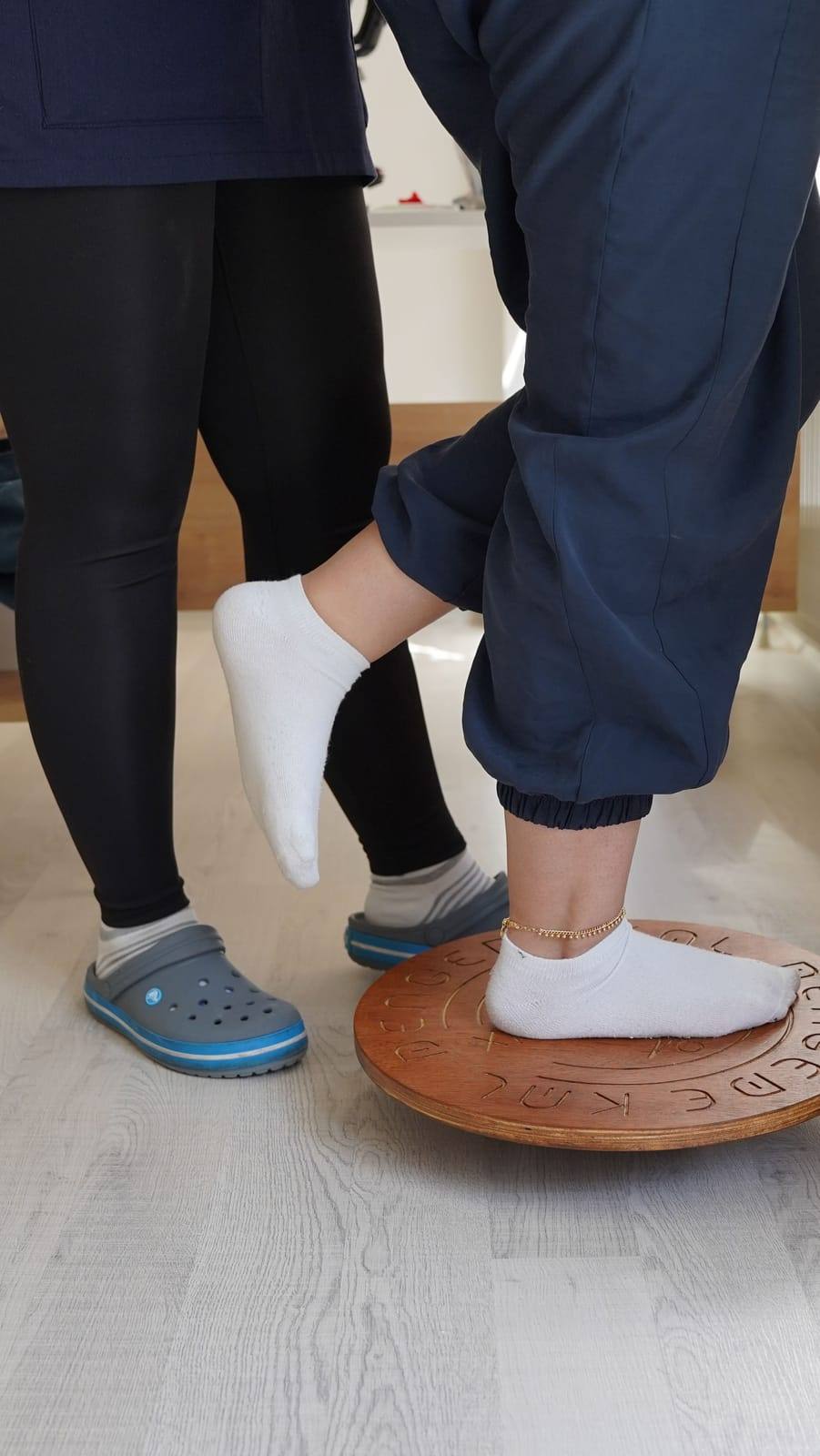
Walking is usually a good early start. From there, many guidelines suggest building a base of strength and pelvic floor control before returning to running, often no sooner than around three months after birth, and only when you can walk, hop and do single-leg strength work without leaking, heaviness or pain. That timeline is a starting point, not a rule. Your delivery, sleep, feeding and goals all shape the plan.
Lifting is similar. There is no single weight limit that suits everyone. We progress loads gradually and watch for symptoms such as leaking, heaviness or doming as signals to adjust.
What a pelvic health visit at Cardinal involves
Your first visit is a full hour, one-on-one, in a private treatment room. We start with a conversation about your pregnancy, birth, symptoms and goals. You are welcome to bring your baby, and we will happily pause for feeding or settling. You can also bring a partner or support person.
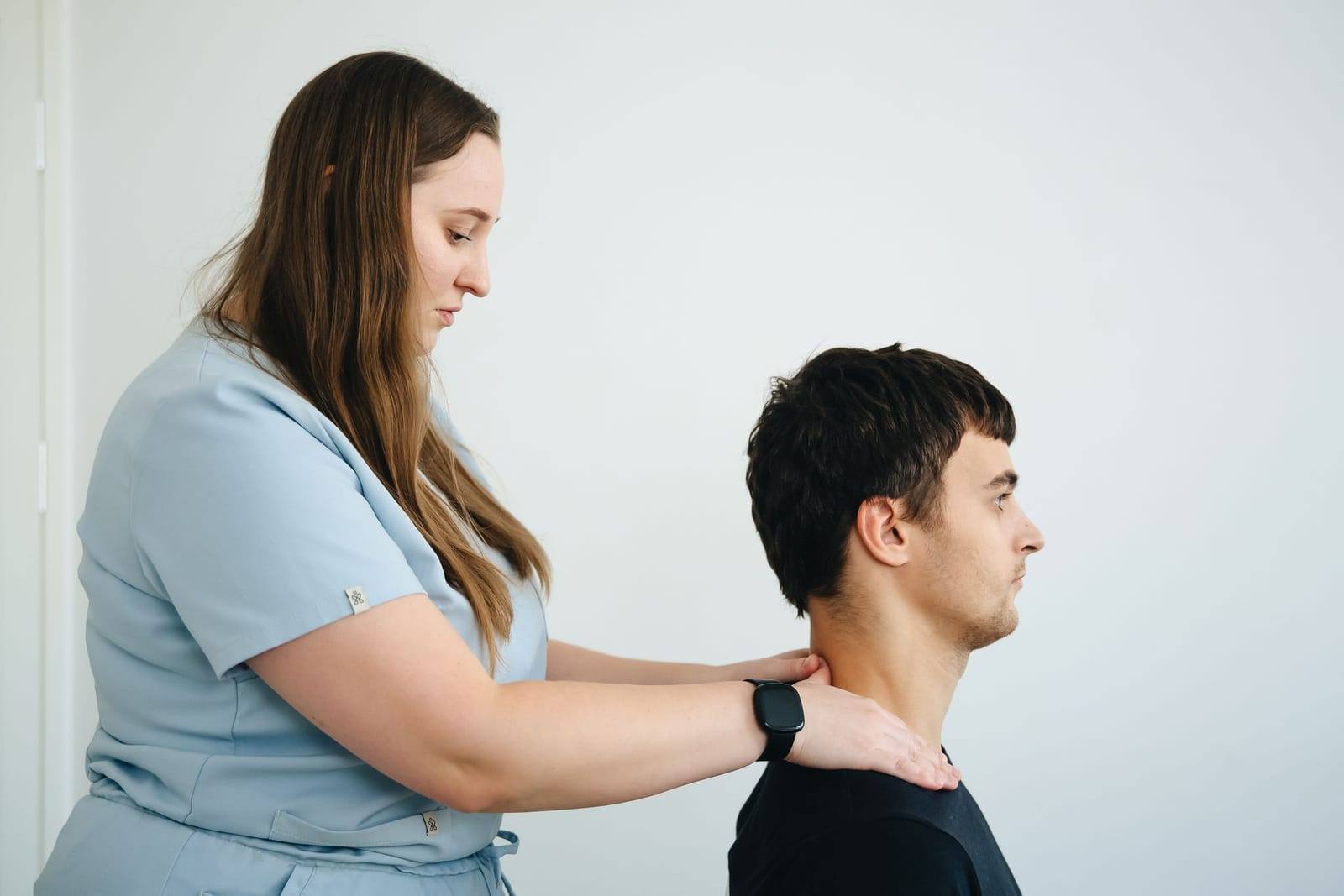
The exam usually includes your breathing, posture, abdominal wall, hips and back. An internal pelvic floor assessment can give us very useful information, but it is always optional. We explain exactly what it involves and why, and we only proceed with your consent. Many plans start without one, and you can decide at any visit.
Treatment typically includes pelvic floor exercises matched to what we find (sometimes that means learning to relax rather than squeeze), breathing and core strategies, strength training, scar care, and a clear plan for returning to the activities you care about. Many people come for four to eight visits over two to three months, often spaced out as the home program takes hold.
A note on timing
You don’t need to wait for a problem to get worse, and you don’t need to have had a difficult birth. It is never too early to ask questions, and it is never too late either. People come to us a few weeks after delivery and a few years after, and both groups can improve.
If you would like to talk it through first, we offer a free 15-minute call with a pelvic health physical therapist. Or you can read more about pelvic health therapy and book an evaluation at our North Hills, Durham or Cary clinics.
Dr. Leila Mansour, PT, DPT
Pelvic health physical therapist at Cary, with Friday hours at North Hills. Focuses on pregnancy, postpartum recovery and returning to exercise.
This article is general education and isn’t a substitute for an evaluation. If you have new, severe or worsening symptoms, please see a physician or a physical therapist.