Low Back Pain: What Helps, What Doesn’t, and When to See a Physical Therapist
A physical therapist explains why most low back pain improves, what actually helps in the first weeks, the red flags that need a doctor, and when PT makes sense.


You bend down to pick up a laundry basket, or stand up after a long afternoon at your desk, and your lower back seizes. Walking hurts. Sitting hurts. You start to wonder whether you have done something serious.
I see some version of this every week at our Glenwood South clinic. Low back pain is one of the most common reasons adults see a clinician, and it is frightening when it hits. The reassuring part is that most episodes improve substantially within a few weeks, especially when you keep moving. Here is what I tell patients about what helps, what usually doesn’t, and when it is worth getting help.
Why low back pain happens
For most people, an episode of low back pain is not caused by one damaged structure that shows up on a scan. It is usually a combination of irritated tissues, a sensitive nervous system, and the load your back has been asked to handle lately compared with what it is used to. A long week of sitting, a move, a new lifting program, poor sleep and stress can all tip the balance.
That is also why imaging is often less useful than people expect. MRI findings such as disc bulges and degeneration are very common in adults with no back pain at all. Guidelines generally recommend against routine imaging for new low back pain unless there are warning signs, because the results rarely change the plan and can make people more worried, not less.
What helps in the first few weeks
- Stay as active as you can. Bed rest tends to slow recovery. Short, frequent walks are one of the best things you can do, even if you start with five minutes.
- Change positions often. No single posture is perfect. The best posture is the next one. If you work at a desk, stand up or walk for a minute or two every half hour.
- Use heat if it feels good. Heat can ease muscle guarding and make movement more comfortable. It is a comfort tool, not a treatment on its own.
- Gentle movement in the range you have. Knee rocks, pelvic tilts and easy walking are usually better than holding still. Some discomfort while moving is acceptable; sharp pain that builds is a sign to back off.
- Talk to your doctor or pharmacist about pain relief if you need it to keep moving and sleep.
What usually doesn’t help
Long periods of rest, waiting until pain is completely gone before doing anything, and repeated passive treatments with no exercise attached. Fear also matters. People who believe their back is fragile tend to move less and recover more slowly. Your spine is a strong, well-built structure, and it is designed to bend, lift and twist.
Red flags: when to see a doctor first
A small number of back problems need medical attention before physical therapy. Call your doctor promptly, or go to the emergency department, if you have any of the following:
- New numbness in the groin or inner thighs, or new trouble controlling your bladder or bowels
- Weakness in a leg or foot that is getting worse, such as a foot that slaps or catches
- Back pain with fever, unexplained weight loss, or a history of cancer
- Pain after a significant fall or car crash, especially if you are older or have osteoporosis
- Severe pain that does not ease at all with rest or changes in position, including at night
We screen for all of these at every evaluation and will refer you to a physician the same day if anything concerns us.
When to see a physical therapist
If your pain is not clearly improving after a week or two, keeps coming back, travels down your leg, or is stopping you from working, sleeping or exercising, it is a good time to see a physical therapist. In North Carolina you can book directly, without a referral, although some insurance plans have their own rules.
Research supports early physical therapy for many people with low back pain, particularly care built around exercise, education and staying active. Seeing someone sooner often means fewer visits overall.
What a back evaluation at Cardinal looks like
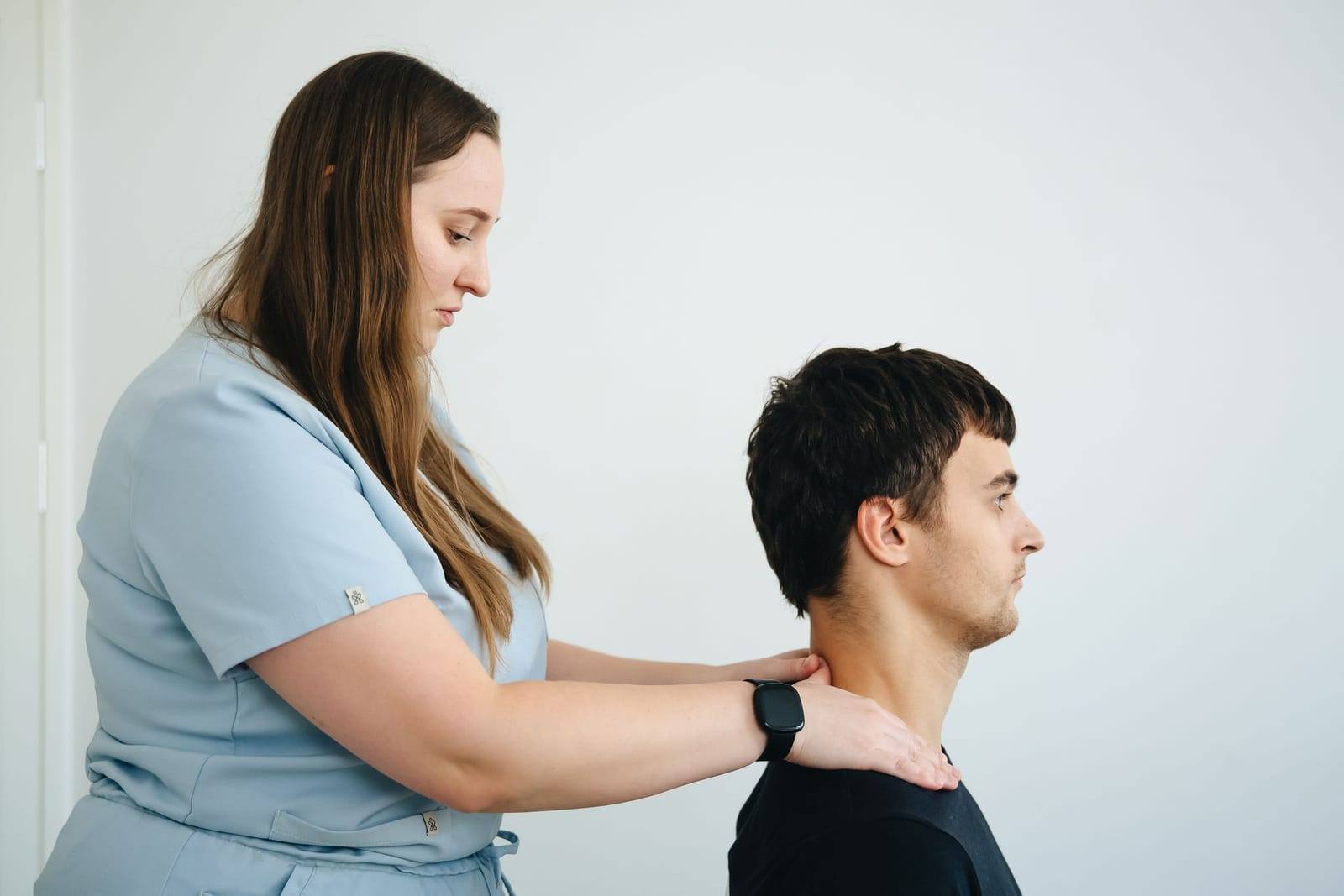
Your first visit is a full hour with a Doctor of Physical Therapy. We start with your story: when it started, what makes it better and worse, your work, your sleep and your goals. Then we test movement, strength, nerve function and how your back responds to specific positions and loads.
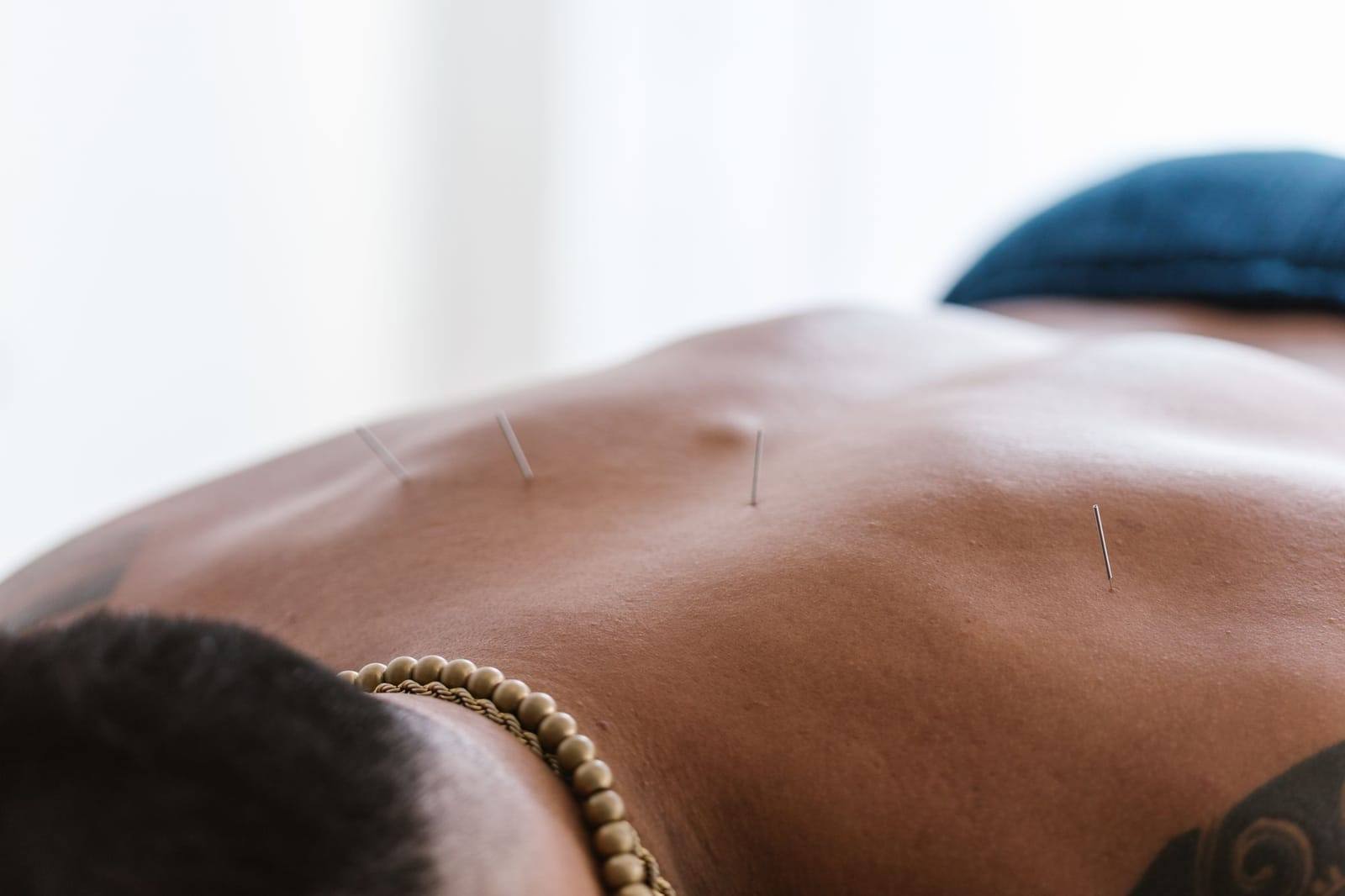
By the end of the hour you will know what we think is going on, what we have ruled out, and what the plan looks like. Most people leave with two to four exercises they can do at home, a walking or activity plan, and practical changes for work or lifting. Hands-on techniques such as joint mobilization or dry needling can help calm pain in the short term, and we use them when they make it easier to move, not as a substitute for exercise.
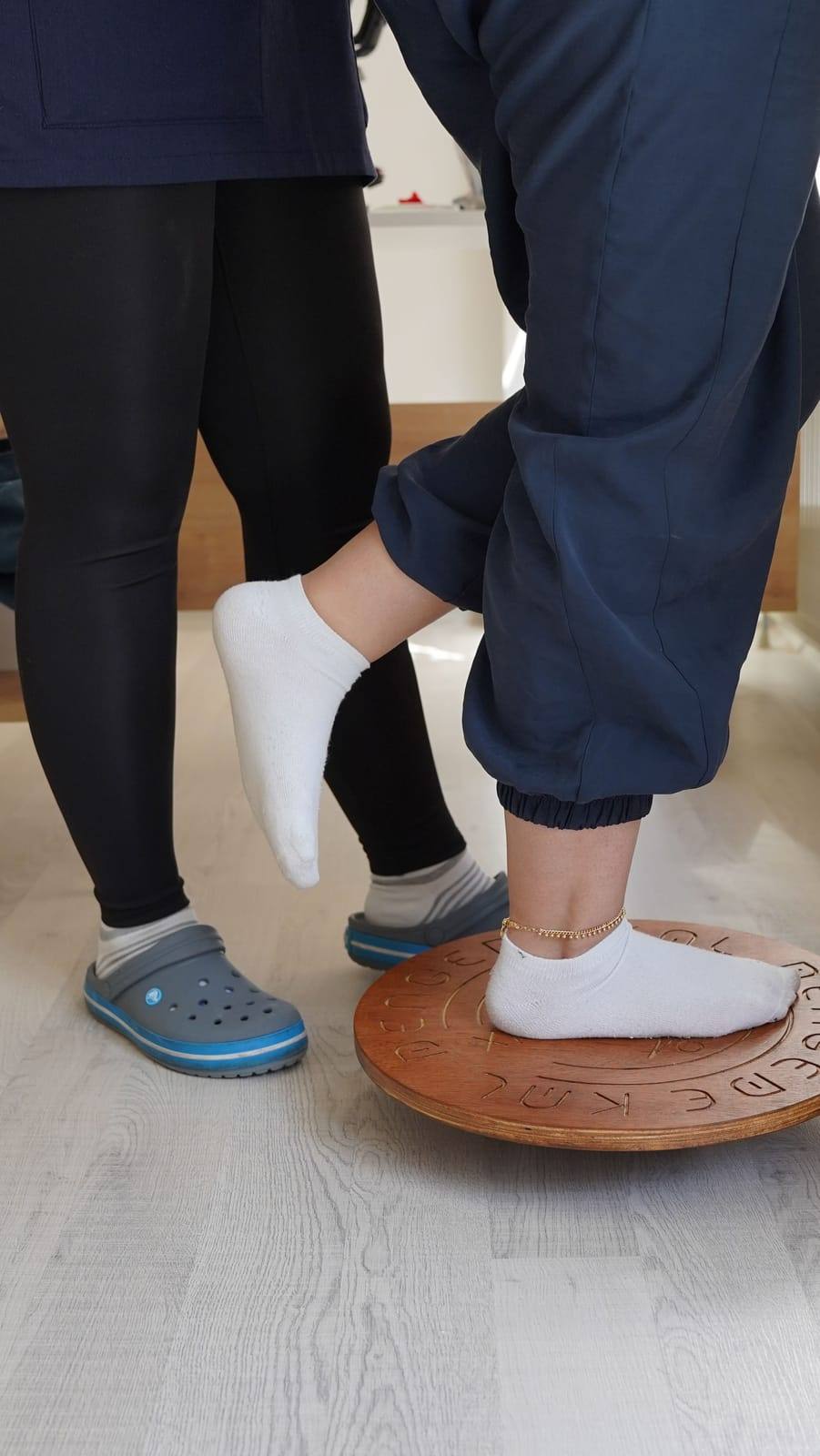
Many people with a recent episode need four to eight visits over a month or two. Longer-standing or recurring back pain often takes longer, with more emphasis on building strength and capacity so the next flare is smaller or doesn’t come at all.
The short version
Keep moving, change positions often, know the red flags, and get help if things are not improving. Back pain is common and usually manageable, and you do not have to figure it out alone. You can read more about back and neck pain treatment at Cardinal or book an evaluation at any of our four clinics.
Dr. Lucia Ferrer, PT, DPT
Back and neck physical therapist at Glenwood South. Helps desk workers, new parents and lifters move with less pain and more confidence in their backs.
This article is general education and isn’t a substitute for an evaluation. If you have new, severe or worsening symptoms, please see a physician or a physical therapist.